

Severance Damages in Right-of-Way Acquisition: What Partial Takings Really Cost
When a right-of-way project only takes part of a property, compensation does not stop at the strip acquired. Here is how severance damages work, and what landowners and agencies should know before negotiating.
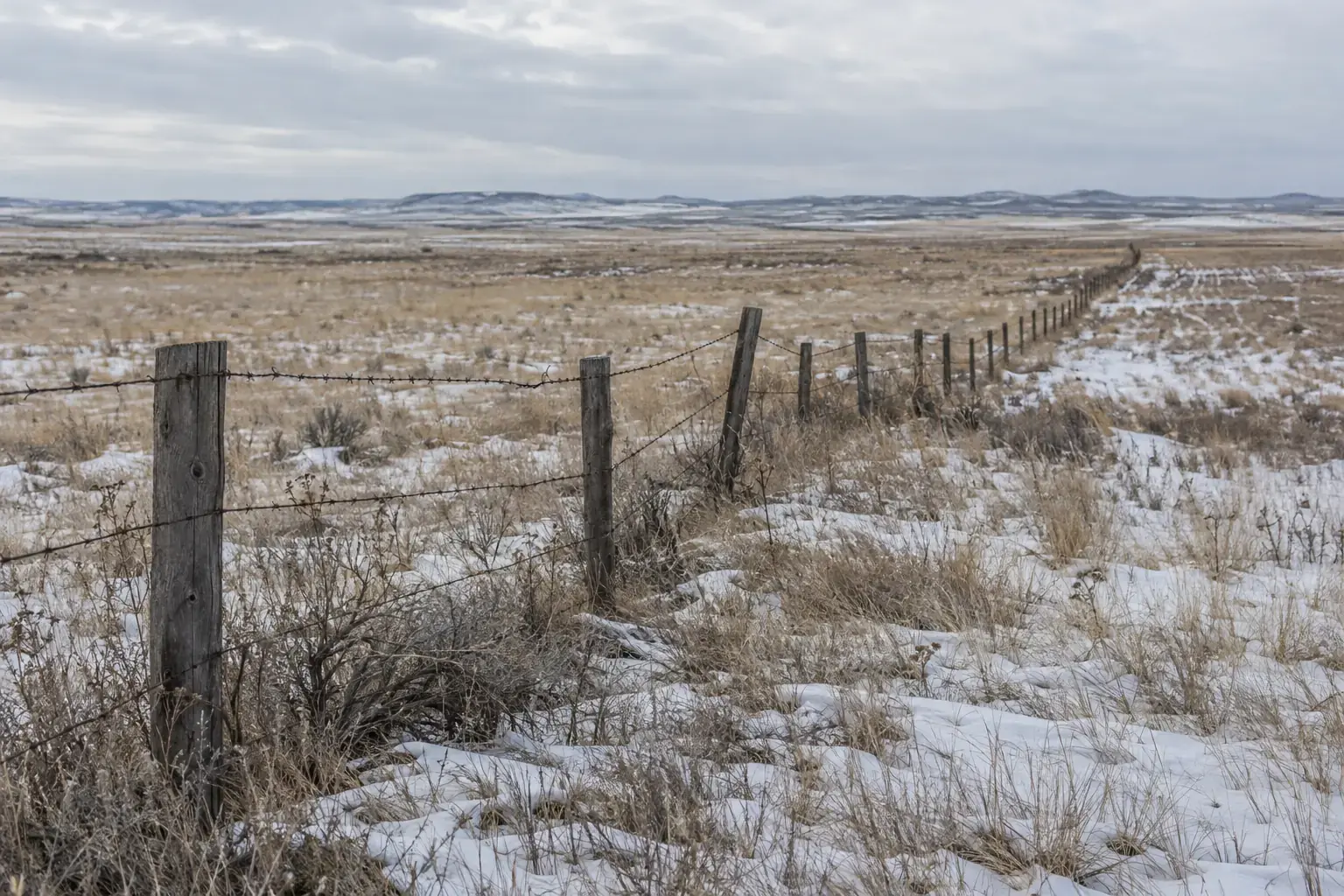
A partial taking looks like the good outcome. The project only needs a strip along the edge of the property, not the whole parcel, so the landowner assumes the damage is limited to that strip. It often is not. When a right-of-way acquisition takes part of a property, the compensation question does not stop at the land inside the new easement line. It extends to what happens to everything left behind. That remainder value question has a name in right-of-way work: severance damages. Understanding what severance damages are, how they get calculated, and when they apply is one of the most practical things a landowner, agency, or utility can learn before a partial taking reaches the negotiating table.
Quick Summary
What Is a Partial Taking in Right-of-Way Acquisition?
Most right-of-way acquisitions for highway widening, utility easements, pipelines, and transmission corridors are partial takings. The project needs a defined strip, corridor, or easement area, and the landowner keeps the rest of the parcel. That is different from a full take, where the entire property is acquired, often because what remains would no longer be usable on its own.
In a partial taking, the compensation conversation has two parts. The first is straightforward: what is the fair market value of the land, easement, or interest actually being acquired. The second is less obvious to most landowners: what does taking that piece do to the value of everything that is left.
Direct Compensation vs. Severance Damages
ComponentWhat It CoversExampleValue of the land or interest takenFair market value of the specific acreage, easement, or right-of-way strip acquiredA 0.3-acre strip taken for a road wideningSeverance damagesDiminished value of the remainder parcel caused by the takingThe remaining lot now has an irregular shape, lost parking, or reduced access
What Are Severance Damages?
Severance damages are the loss in value to the property that remains after a partial taking, caused by the taking itself. The land taken gets paid for once. The impact of that taking on the rest of the property can last for as long as the owner holds it, which is why these damages are treated as a separate, compensable category in most states, including Colorado.
Severance damages are not a bonus or a cushion. They are meant to make the owner whole for a real, measurable drop in the remainder's value, nothing more and nothing less.
How Severance Damages Differ From the Value of the Land Taken
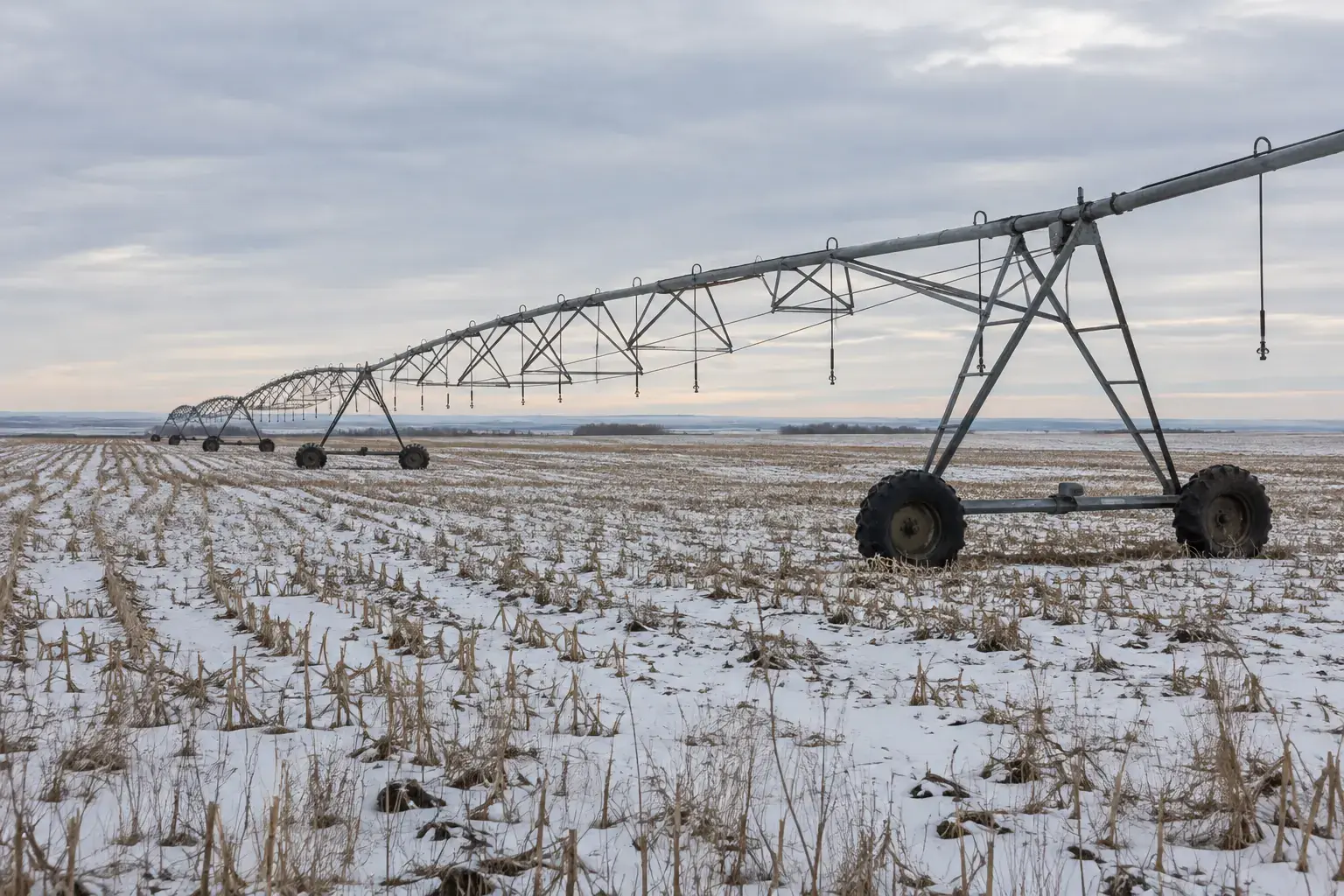
The value of the land taken is relatively simple to price: it is based on comparable sales for that type and size of parcel. Severance damages require a different question entirely. An appraiser has to compare what the whole property was worth before the project to what the remainder is worth after it, accounting for every practical change the taking created. That could mean a commercial lot that loses its best access point, a farm field that gets split by a pipeline easement and becomes harder to irrigate or work with equipment, or a residential lot where a utility corridor removes most of the usable yard.
How Are Severance Damages Calculated?
The industry-standard approach is the before-and-after method. An appraiser values the entire original property as if the project did not exist, then values the remainder property as it will exist after the taking and any planned improvements. The difference between those two numbers, minus the value of the land or easement actually acquired, represents the severance damage.
Common Causes of Severance Damage
What Is "Cost to Cure" and How Does It Offset Severance Damages?
In many cases, a specific repair or improvement can address the problem directly, and its cost becomes the measure of damages instead of a broader diminution-in-value calculation. This is called a cost to cure. A relocated driveway, a replaced fence, a new well, or regraded drainage are typical examples. When a cost to cure genuinely restores the remainder's functionality, appraisers often use whichever number is lower, the cost to cure or the calculated severance damage, since the goal is to make the owner whole, not to overpay for a problem that has an affordable fix.
Not every impact has a clean cure. Loss of visibility, lost access to a preferred route, or a parcel that becomes economically unworkable for its prior use typically cannot be "fixed" with a repair, so those cases are more likely to be resolved through a value-based severance damage calculation.
Severance Damages Under Colorado Law and Federal Funding Rules
State Law Basics
Colorado's eminent domain framework, under Title 38 of the Colorado Revised Statutes, requires that a condemning authority pay just compensation for property taken for public use. Colorado courts have long recognized that just compensation in a partial taking includes both the value of the part taken and damage to the remainder, offset by any special benefits the remainder receives from the project. The exact mechanics of a condemnation case, including how damages are proven and who bears the burden on each element, are matters for a qualified real estate or eminent domain attorney, not a general guide like this one.
Federally Funded Projects and the Uniform Relocation Act
When a project receives federal funding, which is common on many Colorado highway and transit corridor projects, the acquisition process also has to follow the Uniform Relocation Act and its implementing regulations at 49 CFR Part 24. Those rules set baseline requirements for how real property acquisitions are appraised, reviewed, and negotiated, and they apply regardless of which public agency is doing the acquiring. They do not replace state law on how compensation is measured, but they add a layer of process and documentation that agencies, utilities, and landowners should expect on federally assisted projects.
What Is a Severance Damage? (Quick Answer)
A severance damage is the amount by which a partial taking reduces the value of the property an owner has left, separate from the value of the land actually taken. It is calculated by comparing the value of the whole property before the taking to the value of the remainder after it, and it is paid in addition to, not instead of, compensation for the land taken.
How a Severance Damage Claim Typically Moves Through a Right-of-Way Project
Severance Damages at a Glance
Why Landowners Should Review Appraisals Carefully
An initial offer from a public agency or utility is a starting point for negotiation, not a final figure handed down from above. Landowners are typically entitled to see the appraisal supporting the offer, and in many cases they have the right to obtain their own independent appraisal. A second appraisal can catch an overlooked access issue, an underpriced remainder impact, or a cost-to-cure estimate that does not reflect current construction costs.
This is also where timing matters. Reviewing an appraisal, gathering comparable sales, and consulting an attorney all take time. Landowners who engage early in the process, rather than waiting until a deadline is close, generally have more room to negotiate a fair outcome.
What Agencies and Utilities Should Know When Budgeting for Partial Takings
From the acquiring side, severance damages are a budget line item that is easy to underestimate early in a project. A corridor that looks straightforward on a plan set can still create significant remainder impacts on individual parcels, particularly commercial properties with tight access requirements or agricultural land that gets split in an inconvenient way. Building realistic severance damage estimates into the project budget during design, rather than discovering them during negotiation, tends to keep schedules more predictable and reduces the number of parcels that end up in contested proceedings.
At Western States Land Services, we typically recommend involving right-of-way professionals early enough in the design process that access impacts and remainder configurations can still be adjusted. A design change that preserves access or parking is often cheaper than the severance damages it would otherwise create.
Conclusion and Next Steps
Severance damages exist because a partial taking rarely stops its impact at the property line of the easement or strip acquired. The remainder of the property can lose access, usability, or value, and that loss is compensable in its own right. For landowners, the key takeaways are to read the full appraisal, understand what the before-and-after comparison actually measured, and get independent advice before accepting an offer on anything beyond a straightforward, low-impact taking. For agencies and utilities, the key takeaway is to budget for remainder impacts early and to bring in experienced right-of-way support before design decisions lock in avoidable damage.
This article describes general right-of-way and appraisal concepts and is not legal advice. Every parcel and every project is different, and anyone facing a specific partial taking should discuss their situation with a qualified real estate or eminent domain attorney, or with our team directly.
Frequently Asked Questions
What is the difference between just compensation and severance damages?
Just compensation is the overall payment required when property is taken for public use, and it is made up of two parts in a partial taking: the value of the land or interest actually acquired, and severance damages for the drop in value to the remainder. Severance damages are one component of just compensation, not a separate claim.
Are severance damages automatic in every partial taking?
No. Severance damages apply only when the taking causes a measurable, demonstrable reduction in the remainder's value. A small, well-configured taking that does not affect access, use, or marketability may not produce any severance damage at all.
Can severance damages be reduced by project design?
Often, yes. Preserving access points, maintaining required parking or setbacks, and avoiding awkward remainder shapes during the design phase can reduce or eliminate severance damage before it ever becomes a negotiating issue. A cost to cure, such as rebuilding a driveway, can also address the impact directly.
Do severance damages apply to utility and pipeline easements, not just fee takings?
Yes. Severance damage principles generally apply whenever a partial interest, including a permanent easement, affects the value or usability of the remainder, not only when fee title to a strip is acquired outright.
Who ultimately decides the amount of severance damages?
In most cases, the acquiring agency or utility and the landowner negotiate an amount based on competing appraisals. If they cannot agree, Colorado's condemnation process allows the matter to be resolved by a court or a panel of commissioners, with each side typically presenting expert appraisal testimony.
Frequently Asked Questions
Have questions about our sustainability initiatives, eco-friendly practices, or how you can make a positive impact?
Western States Land Services is headquartered in Loveland, Colorado. We primarily serve Colorado, Wyoming, Nebraska, Kansas, New Mexico, Utah, and Texas, with experience working on projects across the broader Mountain West.
Western States Land Services was founded in 1981. The firm has been providing right-of-way acquisition, relocation, and permitting services in Colorado and the Mountain West for more than 45 years. Our team carries more than 150 years of combined industry experience.
Yes. Western States Land Services is prequalified with the Colorado Department of Transportation (CDOT) for right-of-way services. The firm is also experienced in FHWA requirements and fully compliant with the Uniform Relocation Assistance and Real Property Acquisitions Policies Act for federally regulated projects.
We serve public agencies, municipal governments, state departments of transportation, investor-owned utilities, oil and gas companies, pipeline operators, and private infrastructure developers. We have delivered right-of-way services across every sector — from CDOT highway corridors and utility transmission lines to rural pipeline routes and municipal capital improvement projects.
We offer the staffing capacity of a large firm with the direct access and personal accountability of a specialized boutique. Clients work with senior leadership — not a call center. Our agents meet landowners face-to-face. Our regulatory knowledge is deep rather than generalized. We have never needed to ramp up on Colorado or Mountain West rules. We have been working inside them for over 40 years.
Yes. Western States Land Services has experience supporting eminent domain proceedings, including preparing waiver valuations, providing expert witness testimony, and coordinating with legal counsel throughout the condemnation process. Our team has worked alongside attorneys on both agency-initiated and privately sponsored condemnation actions across Colorado.
