

Winter Right-of-Way Planning: Keeping Colorado Projects on Schedule
Winter doesn't have to stall a Colorado right-of-way project, even though it does change what's possible day to day. Here's what continues through the cold months, what waits for spring, and how to plan the handoff.
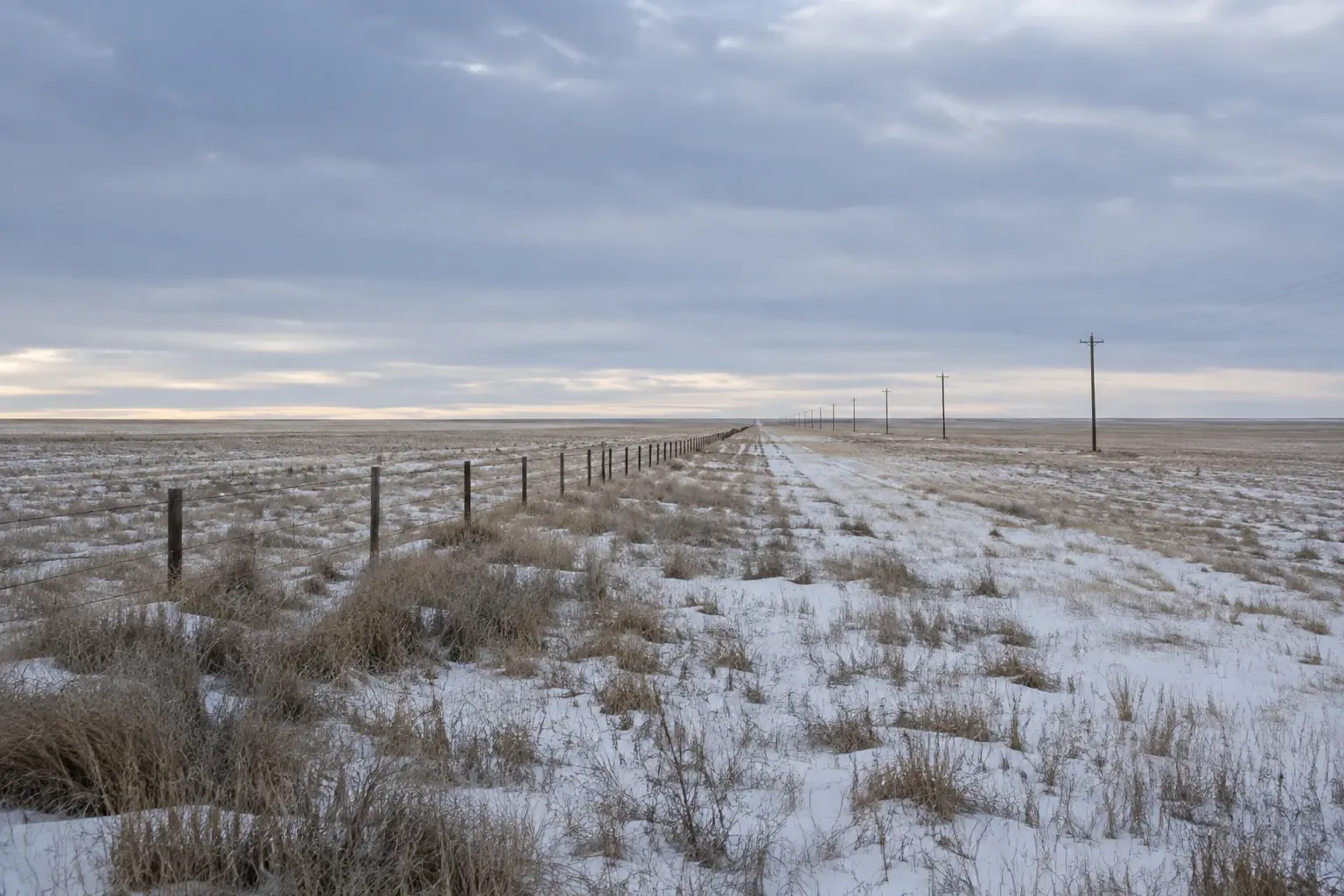
Snow doesn't close the right-of-way office. It closes the job site.
Every fall, Colorado agencies and utilities ask some version of the same question: does right-of-way work actually stop for winter? Mostly, no. At Western States Land Services, our agents run title research, appraisals, landowner negotiations, offer packages, and closings on a calendar built around statutes and contracts, not ground temperature. What usually pauses is the construction-dependent work on the other side of that closing table. This guide covers winter right-of-way planning for Colorado projects: what typically continues through the cold months, what usually waits for spring, and how to sequence a schedule that protects a spring construction start instead of chasing it.
Quick Summary
Does Right-of-Way Acquisition Stop in the Winter?
No, not in most cases. The administrative core of right-of-way work, title searches, appraisal assignments, negotiation meetings, offer letters, and closings, doesn't depend on weather. Our agents run these processes through the winter months on the same timeline they'd use in July. What does change seasonally is the physical, construction-adjacent work: clearing vegetation within an easement, relocating utility facilities that require open trenches or crane access, and taking physical possession of a parcel ahead of active grading. Those activities often slow down or stop when snow, frost, and short daylight make fieldwork unsafe or impractical.
What Continues Through a Colorado Winter
Understanding which parts of the process are weather-dependent and which aren't is the first step in building a realistic schedule. Here's how that typically breaks down.
Acquisition Activities That Rarely Pause
Work That Typically Waits for Spring
Why Colorado's Construction Calendar Makes Winter Planning Critical
Colorado's construction season is shorter than it looks on a project schedule. CDOT and many municipal and county agencies routinely shut down active highway and road projects for the winter and resume work in spring, a pattern documented in project update after project update across the state each year. That shutdown date isn't negotiable once it arrives, which means every parcel feeding that corridor needs clear title and a signed agreement well before the ground freezes, not after.
This is where winter planning earns its keep. A project that waits until February to start acquisition on a route with a May construction letting is not managing risk. It's hoping the landowners say yes fast, the title comes back clean, and nothing gets appealed. Starting the acquisition process in the fall, with closings targeted for the dead of winter, gives a project room to absorb the normal friction of negotiation without threatening the letting date.
Regional Timing Differences Matter
Colorado's geography means winter doesn't hit every project the same way. The table below is a general guide, not a guarantee for any specific parcel or season.
RegionTypical Working SeasonCommon Winter ConstraintFront Range (Denver, Aurora, Colorado Springs area)Nearly year-round for most tasksOccasional storm closures; limited impact on acquisition timelinesMountain corridors (I-70 high country, ski-area access routes)Often shortened by several monthsSnowpack limits field access and construction-adjacent workEastern Plains and Northern ColoradoMostly consistent, with weather-dependent gapsWind and occasional heavy snow events can delay field visits
How to Build a Winter-to-Spring Right-of-Way Schedule
A workable schedule starts at the construction date and works backward. In most cases, the sequence looks something like this:
Relocation Assistance Timing and the Uniform Act
Relocation assistance adds its own timing pressure. The Uniform Relocation Assistance and Real Property Acquisition Policies Act, and its implementing regulations at 49 CFR Part 24, set notice and benefit requirements for federally funded projects that displace residents or businesses. Those requirements don't flex for the season. A household that needs to find comparable replacement housing in a tight winter rental market needs more lead time, not less. Agencies and utilities running federally funded acquisitions should build relocation planning into the fall schedule rather than treating it as a spring task, and should loop in a qualified attorney or relocation specialist early when a displacement looks likely. This article describes general Uniform Act concepts and isn't a substitute for advice on a specific project or parcel.
A Winter Right-of-Way Checklist for Agencies and Utilities
Conclusion
Winter changes what a right-of-way team can do in the field. It doesn't change what they can do at the desk. The agencies and utilities that treat the cold months as acquisition season, not downtime, are the ones whose spring construction actually starts in spring. Done well, winter right-of-way planning disappears into the background of a project's schedule. Done poorly, it becomes the reason a May letting slips to July.
If your project has a spring construction date and parcels that still need title work, appraisals, or negotiation, now is the time to start the sequence, not after the holidays. We're happy to start a conversation about what a realistic winter-to-spring timeline looks like for your specific corridor. No obligation and no agenda, just a candid read on what the calendar allows.
Frequently Asked Questions
Does right-of-way negotiation stop during the winter in Colorado?
Generally, no. Negotiations, appraisals, title work, and closings typically continue through the winter months. What usually slows or stops is construction-dependent fieldwork like clearing and utility relocation construction.
When does CDOT typically shut down construction for the winter?
Timing varies by project and elevation, but CDOT and many other Colorado agencies commonly pause active highway construction in late fall and resume in spring. Specific dates depend on the individual project and that year's weather, so check with the project team for a given corridor.
Can utility relocation work happen in winter?
Some can, particularly work that doesn't require open trenching or heavy equipment on frozen ground. Larger relocation construction projects more often get scheduled for spring and summer once ground conditions improve.
How far in advance should right-of-way clearance be completed before a spring construction start?
It depends on the project's size and the number of parcels involved, but starting acquisition in late summer or early fall for a spring letting is a common and reasonable target. Projects with many parcels, likely relocations, or anticipated condemnation proceedings typically need more lead time.
Does snow or frozen ground affect eminent domain or condemnation timelines?
Weather itself doesn't change the legal process, but a condemnation proceeding can take months to resolve, and starting that process late in a project's timeline leaves little room for winter conditions to add further delay. Anyone facing condemnation on a specific parcel should talk with a qualified attorney about their particular situation and timeline.

Frequently Asked Questions
Have questions about our sustainability initiatives, eco-friendly practices, or how you can make a positive impact?
Western States Land Services is headquartered in Loveland, Colorado. We primarily serve Colorado, Wyoming, Nebraska, Kansas, New Mexico, Utah, and Texas, with experience working on projects across the broader Mountain West.
Western States Land Services was founded in 1981. The firm has been providing right-of-way acquisition, relocation, and permitting services in Colorado and the Mountain West for more than 45 years. Our team carries more than 150 years of combined industry experience.
Yes. Western States Land Services is prequalified with the Colorado Department of Transportation (CDOT) for right-of-way services. The firm is also experienced in FHWA requirements and fully compliant with the Uniform Relocation Assistance and Real Property Acquisitions Policies Act for federally regulated projects.
We serve public agencies, municipal governments, state departments of transportation, investor-owned utilities, oil and gas companies, pipeline operators, and private infrastructure developers. We have delivered right-of-way services across every sector — from CDOT highway corridors and utility transmission lines to rural pipeline routes and municipal capital improvement projects.
We offer the staffing capacity of a large firm with the direct access and personal accountability of a specialized boutique. Clients work with senior leadership — not a call center. Our agents meet landowners face-to-face. Our regulatory knowledge is deep rather than generalized. We have never needed to ramp up on Colorado or Mountain West rules. We have been working inside them for over 40 years.
Yes. Western States Land Services has experience supporting eminent domain proceedings, including preparing waiver valuations, providing expert witness testimony, and coordinating with legal counsel throughout the condemnation process. Our team has worked alongside attorneys on both agency-initiated and privately sponsored condemnation actions across Colorado.
