

Utility Undergrounding for Wildfire Mitigation: What It Means for Colorado Right-of-Way
Colorado utilities are undergrounding power lines for wildfire mitigation, and each mile requires new easement and right-of-way work. Here's what utilities, agencies, and landowners should expect.
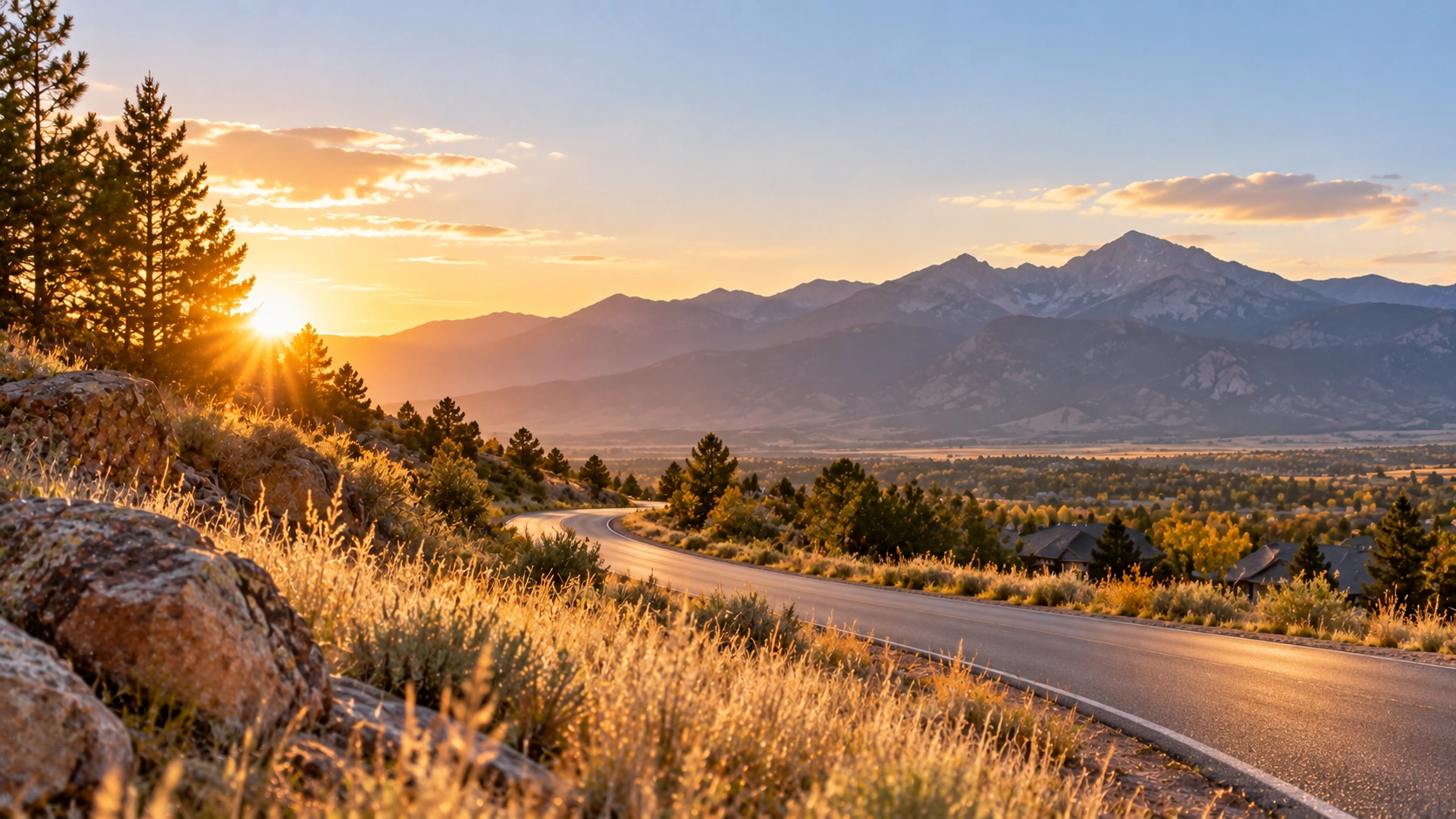
Undergrounding a power line does not start with a trench. It starts with a signature.
Across Colorado, utilities are burying sections of their electric distribution and transmission systems in high wildfire-risk areas as part of state-regulated wildfire mitigation plans. It is a construction story on the surface. Underneath, it is a right-of-way story. Every mile of buried cable needs a legal path through someone's property, and that path has to be negotiated, documented, and recorded before a crew ever picks up a shovel. This guide walks through what utility undergrounding for wildfire mitigation means for right-of-way and easement work in Colorado, what property owners along a route can expect, and how agencies, utilities, and project managers can plan for it.
Quick Summary
- Colorado utilities are undergrounding power lines in high wildfire-risk areas under wildfire mitigation plans approved by state regulators, and the pace of this work has picked up noticeably in 2026.
- Undergrounding typically requires more right-of-way work than overhead lines, not less, because trenching, vaults, and pad-mounted equipment often need wider or additional easements.
- Most undergrounding projects use a mix of permanent utility easements and temporary construction easements, and the two serve different purposes.
- Utilities generally need a certificate of public convenience and necessity from the Colorado Public Utilities Commission, along with local land use permits, before major infrastructure work proceeds.
- Property owners along a route are typically contacted well before construction, and in most cases the process starts with an appraisal and a negotiated offer rather than a condemnation filing.
- Timing matters. Frozen or saturated ground slows trenching, so fall and early winter are often when utilities and their right-of-way teams try to finish acquisition work ahead of a spring construction season.
- The legal and regulatory rules around utility permitting and eminent domain in Colorado continue to evolve, and specific situations should be reviewed with a qualified attorney or right-of-way professional rather than decided from a general article.
Why Colorado Utilities Are Moving Power Lines Underground
Wildfire risk in Colorado's wildland-urban interface has pushed utilities to treat their above-ground infrastructure as a liability in certain corridors. Downed or arcing power lines are a documented wildfire ignition source, and after several destructive fire seasons in the West, Colorado's largest investor-owned utility built undergrounding into its state-regulated wildfire mitigation plan. Crews have been burying sections of line in and around Boulder County and parts of the Denver metro area through 2026, moving distribution circuits below grade in neighborhoods identified as higher risk.
That is one utility's public wildfire mitigation work, described here as general background rather than a project our team has been part of. It is a useful example because it points to a broader trend touching every utility, municipality, and agency managing infrastructure in fire-prone parts of the state: undergrounding is becoming a standard mitigation tool, and each mile of it carries a land acquisition component that has to happen well before construction begins.
What Right-of-Way Has to Do With Undergrounding
It is a common assumption that moving a line underground simplifies the right-of-way picture. In practice, it often does the opposite. An overhead line typically needs a pole easement and a clear zone above it. An underground line needs a trench corridor wide enough for safe excavation, plus space for transformers, switching cabinets, and access points that used to sit on a pole. Done well, the easement work disappears into the broader project schedule. Done poorly, it becomes the reason a construction season gets pushed to the following year.
Undergrounding projects commonly touch several categories of property interest:
- Permanent utility easements for the buried line itself and any above-ground equipment, such as pad-mounted transformers or switching cabinets.
- Temporary construction easements that give the contractor room to trench, stage equipment, and restore the surface, and that expire once the work is done.
- Access easements where crews need a path to reach a vault or cabinet for maintenance after construction is complete.
- Crossing agreements where the new line crosses an existing pipeline, ditch, road, or railroad right-of-way, each of which typically has its own approval process.
Permanent vs. Temporary Easements: A Quick Comparison
| Feature | Permanent Utility Easement | Temporary Construction Easement |
|---|---|---|
| Duration | Indefinite, runs with the land | Limited to the construction period, then expires |
| Purpose | Houses the buried line and related equipment long-term | Gives room to trench, stage materials, and restore the surface |
| Compensation basis | Typically valued as a partial property interest | Typically valued based on duration and extent of disturbance |
| Recorded against title | Yes, generally recorded and disclosed in future sales | Often recorded but self-terminating on a stated date or milestone |
What Property Owners Along an Undergrounding Route Can Expect
The process a landowner experiences typically follows a similar sequence whether the project is a municipal utility, a rural electric association, or an investor-owned utility working under a wildfire mitigation plan.
- Route identification and preliminary design. The utility or its engineers identify the corridor and the parcels it will cross.
- Title research. A title search confirms ownership, existing liens, and any prior easements already recorded against the property.
- Initial contact. A right-of-way agent typically reaches out to explain the project, the specific easement being requested, and the general timeline.
- Appraisal or valuation. The value of the easement interest is typically assessed based on the area affected and the impact on the remaining property.
- Negotiation and offer. The agent presents a written offer, and most easements in Colorado are acquired through negotiation rather than litigation.
- Document execution and recording. Once terms are agreed, the easement is signed and recorded against the property.
- Construction and restoration. The utility or its contractor completes the work and restores the surface per the terms of the temporary construction easement.
What Is a Temporary Construction Easement?
A temporary construction easement is a time-limited right to use a defined area of private property for construction activity, such as trenching, staging equipment, or grading, without transferring any permanent interest in the land. It typically expires on a fixed date or when the associated work is complete, and it is compensated separately from any permanent easement on the same parcel.
The Legal Framework: Permits, CPCN, and Eminent Domain
In Colorado, an investor-owned utility generally needs a certificate of public convenience and necessity from the Colorado Public Utilities Commission before building significant new infrastructure, a requirement set out under C.R.S. Title 40. Local governments also typically have their own land use and permitting authority over where and how that infrastructure gets built. Most easements for undergrounding projects are negotiated and never reach condemnation. When negotiation fails, Colorado law under C.R.S. Title 38 allows a utility with the legal authority to condemn to pursue eminent domain, subject to a court process and a right to just compensation.
The relationship between local permitting, PUC approval, and a utility's authority to begin eminent domain proceedings has drawn legislative attention in Colorado this year, and the rules in this area continue to develop. That is exactly the kind of question that deserves a conversation with a qualified attorney or a right-of-way professional rather than a general answer from an article. If your project or your property is facing a specific permitting or condemnation question, treat this section as background, not guidance for your situation.
Where an undergrounding route crosses a waterway, wetland, or floodplain, additional permitting under the Clean Water Act, including review by the U.S. Army Corps of Engineers, may also apply, which is one more reason early coordination between engineering, permitting, and right-of-way teams pays off.
Timing: Why Fall Is a Practical Season for Easement Work
Trenching in frozen or saturated ground is slower, costlier, and harder on restoration. That is why a lot of right-of-way work for undergrounding projects gets front-loaded into late summer and fall, with the goal of having easements signed, recorded, and ready before a spring or early-summer construction start. Landowners contacted in September or October about an undergrounding easement are often looking at construction the following year, not the same season. Utilities and agencies planning multi-parcel undergrounding corridors do well to start title research and outreach at least one full season ahead of the planned construction window.
Common Challenges in Undergrounding Right-of-Way Projects
Ground and Soil Conditions
Rocky soil, shallow bedrock, and high water tables all affect trenching cost and easement width. A route that looks straightforward on a map can require a wider temporary construction easement once geotechnical information comes back.
Existing Utility Conflicts
Buried gas lines, water and sewer mains, fiber, and irrigation infrastructure all have to be located and often relocated or protected in place, which can extend both the design and the acquisition timeline.
Subdivision and HOA Plats
In platted subdivisions, existing utility easements on the plat may or may not be wide enough or in the right location for undergrounding equipment, which sometimes means negotiating new easements even where an old one already exists.
Multiple Owners Along One Corridor
A single undergrounding segment can cross dozens of parcels. Keeping title research, outreach, negotiation, and recording moving in parallel across that many owners is often the real project management challenge, more so than the engineering.
Key Steps for Utilities and Agencies Planning Undergrounding Right-of-Way Work
- Start title research and parcel identification as early as possible, ideally before final design is locked.
- Budget for both permanent utility easements and temporary construction easements as separate line items.
- Confirm CPCN and local permitting requirements early so acquisition work is not delayed by approvals that could have run in parallel.
- Build in extra time for parcels with existing utility conflicts, HOA-governed plats, or unclear title history.
- Plan acquisition timelines around seasonal construction windows, not the other way around.
- Keep landowner communication consistent and documented, since most easements are resolved through negotiation, not litigation.
Conclusion
Wildfire mitigation undergrounding is reshaping how Colorado utilities think about their distribution systems, and it is reshaping the right-of-way work behind the scenes right along with it. The projects that move on schedule are usually the ones where title research, easement negotiation, and permitting started well before the first trench was cut. Whether you are a utility, a municipality, an engineering firm managing a project, or a landowner who just received a letter about an easement on your property, the process is more predictable once you understand the sequence: identify the route, research title, negotiate the easement, secure the approvals, then build. If you are weighing a specific easement offer or a permitting question, that is a conversation worth having with a qualified attorney or a right-of-way professional who can look at your particular situation.
Western States Land Services works with agencies, utilities, and landowners across Colorado on right-of-way and easement acquisition for infrastructure projects, including utility undergrounding work. If you have a project moving through this process, we are glad to start a conversation. No obligation, no agenda.
Frequently Asked Questions
Does undergrounding a power line require a new easement even if one already exists for the overhead line?
Often, yes. An existing overhead easement may not cover the width, depth, or equipment locations needed for a buried line and its associated vaults or cabinets, so a new or amended easement is common even on parcels with prior utility easements on record.
Who pays for a temporary construction easement?
The utility or agency undertaking the project typically compensates the property owner for a temporary construction easement, usually based on the size of the area affected and the duration of the disturbance.
Can a utility use eminent domain to underground a power line in Colorado?
A utility with legal condemnation authority can pursue eminent domain if negotiation fails, subject to Colorado's eminent domain statutes and a court process, but the large majority of easements for these projects are acquired through negotiated agreements rather than condemnation.
How long does the easement process typically take for an undergrounding project?
It varies by project size and the number of parcels involved, but title research, outreach, negotiation, and recording for a single easement often take a few months, and multi-parcel corridors are typically planned a full season or more ahead of construction.
What should a landowner do after receiving an easement offer for an undergrounding project?
Review the proposed easement area, ask what temporary versus permanent rights are included, and consider having the offer and appraisal reviewed by a qualified real estate attorney or right-of-way professional before signing, especially if the compensation or scope of the easement is unclear.

Frequently Asked Questions
Have questions about our sustainability initiatives, eco-friendly practices, or how you can make a positive impact?
Western States Land Services is headquartered in Loveland, Colorado. We primarily serve Colorado, Wyoming, Nebraska, Kansas, New Mexico, Utah, and Texas, with experience working on projects across the broader Mountain West.
Western States Land Services was founded in 1981. The firm has been providing right-of-way acquisition, relocation, and permitting services in Colorado and the Mountain West for more than 45 years. Our team carries more than 150 years of combined industry experience.
Yes. Western States Land Services is prequalified with the Colorado Department of Transportation (CDOT) for right-of-way services. The firm is also experienced in FHWA requirements and fully compliant with the Uniform Relocation Assistance and Real Property Acquisitions Policies Act for federally regulated projects.
We serve public agencies, municipal governments, state departments of transportation, investor-owned utilities, oil and gas companies, pipeline operators, and private infrastructure developers. We have delivered right-of-way services across every sector — from CDOT highway corridors and utility transmission lines to rural pipeline routes and municipal capital improvement projects.
We offer the staffing capacity of a large firm with the direct access and personal accountability of a specialized boutique. Clients work with senior leadership — not a call center. Our agents meet landowners face-to-face. Our regulatory knowledge is deep rather than generalized. We have never needed to ramp up on Colorado or Mountain West rules. We have been working inside them for over 40 years.
Yes. Western States Land Services has experience supporting eminent domain proceedings, including preparing waiver valuations, providing expert witness testimony, and coordinating with legal counsel throughout the condemnation process. Our team has worked alongside attorneys on both agency-initiated and privately sponsored condemnation actions across Colorado.
