

Utility Easement Acquisition Colorado: Electric, Gas, and Telecom ROW Services
Utility infrastructure projects across Colorado require careful planning and expert execution when it comes to securing land rights. Whether you're building electric transmission lines, natural gas pipelines, or telecommunications networks, the success of your project hinges on effective easement acquisition.
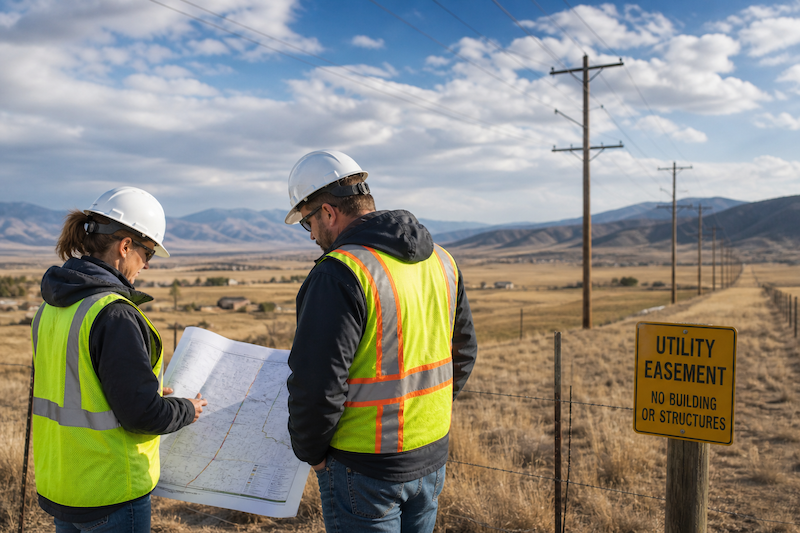
Utility infrastructure projects across Colorado require careful planning and expert execution when it comes to securing land rights. Whether you're building electric transmission lines, natural gas pipelines, or telecommunications networks, the success of your project hinges on effective easement acquisition.
Understanding the process, requirements, and best practices can save your organization significant time and money while keeping projects on schedule.

What is Utility Easement Acquisition?
Utility easement acquisition is the legal process of obtaining the right to use private or public land for installing, maintaining, and accessing utility infrastructure. Unlike fee simple acquisition where you purchase the entire property, an easement grants specific usage rights while the landowner retains ownership.
In Colorado, utilities commonly need easements for:
- Electric transmission and distribution lines
- Natural gas pipelines and infrastructure
- Telecommunications fiber optic networks
- Water and wastewater systems
- Cable and broadband installations
These easements can be permanent or temporary, depending on the project scope and long-term operational needs.
Types of Utility Easements in Colorado
Permanent Easements
Permanent easements grant utilities perpetual rights to use the land. These are standard for infrastructure that will remain in place indefinitely, such as transmission towers, underground pipelines, or fiber optic cables. The utility pays the landowner just compensation based on the fair market value of the rights being acquired.
Temporary Construction Easements
Temporary easements provide access for construction activities, equipment staging, and material storage. These typically last from several months to a few years. Once construction is complete, the temporary rights expire and the land returns to full landowner control.
Access Easements
Access easements allow utility companies to reach their infrastructure for maintenance, repairs, and emergency response. These are often combined with permanent easements to ensure long-term operational access.
The Utility Easement Acquisition Process in Colorado
Step 1: Route Planning and Feasibility
Before approaching landowners, utilities must determine the optimal route for their infrastructure. This involves evaluating topography, existing development, environmental factors, and property boundaries. Early planning helps identify potential obstacles and minimize impacts to property owners.
Step 2: Title Research and Ownership Verification
Accurate title research is essential. This process identifies all property owners, existing easements, mortgages, liens, and other encumbrances that could affect the acquisition. In Colorado, title work often reveals complex ownership histories, particularly in areas with agricultural or mining heritage.
Step 3: Property Valuation
Colorado law requires that utilities pay just compensation for easement rights. Professional appraisers determine fair market value based on comparable sales, property characteristics, and the impact of the easement on the remaining property. For acquisitions valued at $5,000 or more, property owners have the right to obtain their own appraisal at the utility's expense.
Step 4: Landowner Contact and Negotiation
Successful easement acquisition depends on clear communication and respectful negotiation. Experienced right of way agents explain the project, discuss impacts, answer questions, and work toward mutually agreeable terms. At Western States Land Services, we prioritize building trust with landowners through transparent communication and fair treatment.
Step 5: Legal Documentation
Once terms are agreed upon, legal documents are prepared. These include easement deeds, legal descriptions, exhibit maps, and any special provisions negotiated with the landowner. All documents must comply with Colorado recording requirements.
Step 6: Closing and Recording
At closing, the utility makes payment and the landowner signs the easement documents. The easement is then recorded with the county clerk and recorder's office, creating a public record of the utility's rights.
Key Colorado Regulations for Utility Easements
Colorado Public Utilities Commission Requirements
Electric and gas utilities regulated by the Colorado Public Utilities Commission must follow specific procedures when acquiring easements. These include requirements for public notice, landowner notification, and fair compensation practices.
State Highway Access Code
When utility infrastructure must cross state highways or rights of way, permits from the Colorado Department of Transportation are required. This adds complexity to projects and requires coordination with CDOT staff and compliance with access code provisions.
Local Government Coordination
Many Colorado municipalities and counties have additional requirements for utility projects. Permits, zoning approvals, and franchise agreements may be necessary before easement acquisition can proceed.
Environmental Compliance
Projects may require environmental review under the National Environmental Policy Act or Colorado Environmental Policy Act, particularly if federal funding is involved or sensitive areas are affected. Wetlands permits, endangered species consultations, and cultural resource surveys may be required.
Electric Utility ROW Services in Colorado
Electric utilities face unique challenges in Colorado's diverse terrain. Transmission line projects often span long distances across multiple counties, requiring acquisition of numerous easements from different landowners.
Transmission Line Easements
High voltage transmission lines typically require wider easement corridors, often 100 to 200 feet or more. These wider corridors accommodate tower structures, conductor swing clearances, and access roads. Landowners may have restrictions on what they can build or plant within the easement area.
Distribution System Easements
Distribution lines serving homes and businesses require narrower easements, typically 20 to 50 feet. These projects often involve working with residential property owners who may have concerns about aesthetics, property values, and tree removal.
Substation Site Acquisition
Electrical substations require fee simple acquisition or large permanent easements. Site selection must consider access, proximity to load centers, environmental factors, and community acceptance.
Natural Gas Pipeline ROW Services
Natural gas infrastructure is expanding across Colorado to meet growing energy demands. Pipeline projects require specialized expertise in easement acquisition due to safety considerations and regulatory requirements.
Interstate vs. Intrastate Pipelines
Interstate pipelines crossing state boundaries fall under Federal Energy Regulatory Commission jurisdiction, which includes federal eminent domain authority. Intrastate pipelines within Colorado follow state condemnation procedures if eminent domain becomes necessary.
Pipeline Safety Regulations
Pipeline Safety Trust and federal regulations impose strict construction and maintenance standards. Easement documents must address safety zones, prohibited activities, and utility access for inspections and repairs.
Gathering Systems and Facilities
Oil and gas producers need easements for gathering lines, compressor stations, and related facilities. These projects often involve working with agricultural landowners who want to preserve farming and ranching operations.
Telecommunications ROW Services in Colorado
Colorado's telecommunications infrastructure is rapidly expanding as providers compete to deliver high-speed internet and 5G services. Fiber optic networks and cell tower sites require strategic easement acquisition.
Fiber Optic Cable Easements
Fiber networks often follow existing utility corridors or road rights of way to minimize property impacts. Coordination with other utilities and municipalities is essential to avoid conflicts and reduce costs.
Cell Tower and Equipment Sites
Wireless providers need sites for cell towers, small cells, and equipment cabinets. These acquisitions may involve leases, easements, or license agreements depending on the property type and local regulations.
Broadband Expansion Projects
Federal and state broadband expansion initiatives are bringing high-speed internet to rural Colorado communities. These projects often involve multiple funding sources and complex regulatory requirements that affect the easement acquisition process.
Common Challenges in Utility Easement Acquisition
Multiple Ownership Issues
Properties with multiple owners, family trusts, or corporate ownership structures can complicate negotiations. All owners must agree to the easement terms, which can extend timelines significantly.
Existing Land Uses
Agricultural operations, residential developments, and commercial uses all present unique considerations. Successful agents understand these land uses and work to minimize disruption while meeting project requirements.
Environmental and Cultural Resources
Projects may encounter wetlands, endangered species habitat, archaeological sites, or other sensitive resources. These discoveries can require route modifications, additional permits, or mitigation measures.
Public Opposition
Community concerns about aesthetics, property values, health, and safety can create opposition to utility projects. Early public engagement and transparent communication help address concerns and build support.
Why Experience Matters in Colorado Utility Easement Acquisition
Colorado's varied landscape, complex property ownership patterns, and multiple regulatory jurisdictions make utility easement acquisition challenging. Working with experienced professionals who understand local conditions, state laws, and industry practices is essential for project success.
Western States Land Services has provided utility right of way services throughout Colorado for more than 40 years. Our team has successfully acquired easements for electric transmission projects, natural gas pipelines, and telecommunications infrastructure across the Front Range and throughout the state. We understand the technical requirements of utility projects and the importance of treating landowners fairly and respectfully.
Our agents maintain relationships with appraisers, title companies, and attorneys throughout Colorado, enabling us to assemble the right team for each project. We are prequalified by CDOT and have extensive experience with federal compliance requirements including the Uniform Relocation Assistance and Real Property Acquisition Policies Act.
Best Practices for Successful Utility Easement Projects
Start Early
Begin the easement acquisition process well in advance of construction. Complex projects can take months or years to complete, particularly when multiple parcels are involved.
Invest in Quality Title Research
Thorough title work identifies potential issues early, preventing costly surprises later. Work with experienced title professionals who understand utility easement requirements.
Communicate Clearly with Landowners
Transparency builds trust. Explain the project, discuss impacts honestly, and listen to landowner concerns. Written materials, project websites, and community meetings help keep stakeholders informed.
Document Everything
Maintain detailed records of all landowner contacts, negotiations, and agreements. Good documentation protects both the utility and property owners and provides a clear record if questions arise later.
Consider Long-Term Relationships
Utilities will maintain ongoing relationships with landowners along their infrastructure routes. Treating property owners fairly during acquisition creates goodwill that benefits future maintenance and expansion projects.
Cost Factors in Utility Easement Acquisition
Several factors influence the total cost of acquiring utility easements in Colorado:
- Property values in the project area
- Easement width and length required
- Number of parcels involved
- Complexity of title and ownership issues
- Crops or improvements affected by construction
- Appraisal and legal fees
- Negotiation timelines and potential condemnation costs
Experienced right of way consultants help utilities develop accurate budgets by identifying these factors early in the planning process.
The Role of Technology in Modern Easement Acquisition
Modern utility easement projects benefit from advanced technology tools:
- GIS mapping for route analysis and parcel identification
- Aerial imagery for assessing property conditions
- Database systems for tracking acquisition progress
- Electronic document management for title and legal records
- Digital communication platforms for landowner coordination
These tools improve efficiency and accuracy while providing better transparency for all stakeholders.
Frequently Asked Questions
How long does utility easement acquisition typically take in Colorado?
The timeline varies based on project complexity. Simple acquisitions involving a few parcels may take 2 to 4 months. Larger projects with dozens or hundreds of parcels often require 6 to 18 months or more. Factors affecting timeline include title complexity, number of property owners, negotiation challenges, and regulatory requirements.
Can a utility force a landowner to grant an easement in Colorado?
Yes, under certain circumstances. Public utilities providing essential services have eminent domain authority granted by Colorado statute. However, utilities must demonstrate public necessity and pay just compensation. Most utilities prefer negotiated agreements and only pursue condemnation as a last resort after good faith negotiations fail.
How is the value of a utility easement determined?
Professional appraisers determine fair market value based on several factors including comparable easement sales, the impact on property use and value, the size and location of the easement, and any damages to the remaining property. Colorado law requires just compensation that reflects what a willing buyer and willing seller would agree upon in an arm's length transaction.
What restrictions do utility easements place on landowners?
Restrictions vary by easement type and utility requirements. Common restrictions include prohibitions on building permanent structures, planting deep-rooted trees, or conducting activities that could damage utility infrastructure. Surface uses like farming, grazing, or landscaping are typically allowed. The easement document specifies all restrictions and landowner rights.
Do I need a lawyer when negotiating a utility easement?
While not legally required, many property owners choose to consult an attorney, particularly for large or complex easements. Attorneys can review proposed easement documents, explain legal implications, and ensure your interests are protected.
Main Takeaway
Utility easement acquisition in Colorado requires specialized knowledge of state laws, federal regulations, appraisal practices, and negotiation techniques. Whether your organization is planning electric transmission upgrades, expanding natural gas infrastructure, or building telecommunications networks, partnering with experienced right of way professionals helps ensure project success.
Understanding the acquisition process, respecting property owner rights, and maintaining clear communication throughout the project creates positive outcomes for utilities and landowners alike. As Colorado's utility infrastructure continues to grow and modernize, effective easement acquisition will remain essential to delivering reliable services across the state.
For utility companies planning infrastructure projects in Colorado, working with qualified right of way consultants like Western States Land Services provides the expertise and local knowledge needed to navigate the acquisition process efficiently while building strong community relationships that support long-term success.


Frequently Asked Questions
Have questions about our sustainability initiatives, eco-friendly practices, or how you can make a positive impact?
Western States Land Services is headquartered in Loveland, Colorado. We primarily serve Colorado, Wyoming, Nebraska, Kansas, New Mexico, Utah, and Texas, with experience working on projects across the broader Mountain West.
Western States Land Services was founded in 1981. The firm has been providing right-of-way acquisition, relocation, and permitting services in Colorado and the Mountain West for more than 45 years. Our team carries more than 150 years of combined industry experience.
Yes. Western States Land Services is prequalified with the Colorado Department of Transportation (CDOT) for right-of-way services. The firm is also experienced in FHWA requirements and fully compliant with the Uniform Relocation Assistance and Real Property Acquisitions Policies Act for federally regulated projects.
We serve public agencies, municipal governments, state departments of transportation, investor-owned utilities, oil and gas companies, pipeline operators, and private infrastructure developers. We have delivered right-of-way services across every sector — from CDOT highway corridors and utility transmission lines to rural pipeline routes and municipal capital improvement projects.
We offer the staffing capacity of a large firm with the direct access and personal accountability of a specialized boutique. Clients work with senior leadership — not a call center. Our agents meet landowners face-to-face. Our regulatory knowledge is deep rather than generalized. We have never needed to ramp up on Colorado or Mountain West rules. We have been working inside them for over 40 years.
Yes. Western States Land Services has experience supporting eminent domain proceedings, including preparing waiver valuations, providing expert witness testimony, and coordinating with legal counsel throughout the condemnation process. Our team has worked alongside attorneys on both agency-initiated and privately sponsored condemnation actions across Colorado.
