

Pipeline Right of Way Acquisition: Oil, Gas, and Water Infrastructure in Colorado
Western States Land Services is a Loveland, CO based right of way acquisition, relocation, and permitting firm founded in 1981, with over 150 years of combined staff experience and CDOT prequalification for federally funded projects.
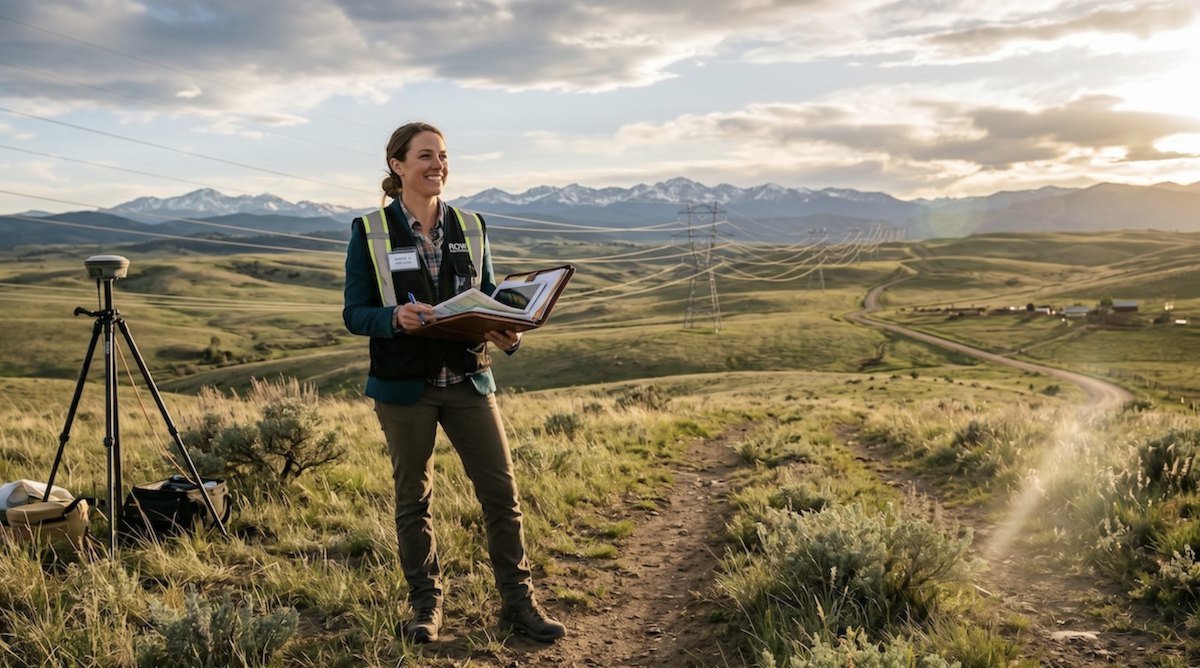
Pipeline infrastructure forms the backbone of Colorado's energy and water systems. From the oil and gas fields of Weld County to water transmission projects serving Front Range communities, successful pipeline construction depends on effective right of way acquisition.
Understanding the regulatory framework, acquisition process, and best practices is essential for project managers, utility operators, and energy companies planning pipeline projects in Colorado.
Understanding Pipeline Right of Way Acquisition
Pipeline right of way acquisition is the process of securing legal rights to construct, operate, and maintain pipelines across private and public lands. These rights typically take the form of easements that grant the pipeline operator specific privileges while property owners retain ownership of the land.
In Colorado, pipeline projects must navigate a complex regulatory environment involving federal agencies, state departments, local governments, and private property rights. The acquisition process requires coordination among engineering, environmental, legal, and land services professionals to ensure successful project completion.
Types of Pipeline Projects in Colorado
Oil and Gas Pipelines
Colorado's energy sector relies on extensive pipeline networks to transport crude oil, natural gas, and natural gas liquids from production areas to processing facilities, storage terminals, and interstate transmission systems. These projects range from small gathering lines connecting individual wells to large diameter transmission pipelines crossing multiple counties.
Water and Wastewater Pipelines
Growing communities along the Front Range require new water supply infrastructure. Water districts, municipalities, and regional authorities develop pipeline projects to transport raw water from reservoirs, treat and distribute drinking water, and convey wastewater to treatment facilities.
Municipal Water Systems
Cities and towns across Colorado regularly expand and upgrade their water distribution and collection systems. These projects often involve acquiring easements through residential neighborhoods, commercial areas, and undeveloped land planned for future growth.
Federal Regulatory Framework for Pipeline ROW
Interstate vs. Intrastate Pipelines
The distinction between interstate and intrastate pipelines significantly affects the regulatory process and acquisition procedures. Interstate natural gas pipelines transporting gas across state lines fall under Federal Energy Regulatory Commission jurisdiction. FERC regulates pipeline routes, construction standards, and has authority to grant federal eminent domain powers.
Intrastate pipelines operating entirely within Colorado follow state regulations and must use Colorado eminent domain procedures if condemnation becomes necessary. Most oil pipelines and gathering systems fall into this category.
Pipeline and Hazardous Materials Safety Administration
PHMSA establishes safety standards for pipeline design, construction, operation, and maintenance. These regulations affect easement requirements by dictating pipeline depth, protection systems, marker placement, and access needs for inspections and emergency response.
Environmental Review Requirements
Pipeline projects often trigger environmental review under the National Environmental Policy Act if federal permits or funding are involved. Projects must also comply with the Clean Water Act for wetland impacts, the Endangered Species Act for protected wildlife, and various other federal environmental laws.
Colorado State Regulations for Pipeline Projects
Colorado Oil and Gas Conservation Commission
The COGCC regulates oil and gas exploration and production activities in Colorado. While the commission does not directly oversee pipeline right of way acquisition, COGCC rules affect pipeline routing, construction standards, and operational requirements that influence easement needs.
Colorado Department of Public Health and Environment
CDPHE issues permits for water quality impacts, air emissions, and hazardous materials handling. Pipeline projects crossing streams, wetlands, or other water bodies need Section 401 water quality certifications before construction can begin.
Public Utilities Commission Authority
The Colorado Public Utilities Commission has jurisdiction over certain public utility pipelines. Projects under PUC authority must demonstrate public convenience and necessity before proceeding with land acquisition.
Local Government Permits
Counties and municipalities regulate pipeline construction within their jurisdictions through land use codes, building permits, and road crossing agreements. Coordination with local governments early in project planning helps identify requirements and avoid delays.
The Pipeline ROW Acquisition Process
Phase 1: Route Selection and Planning
Route selection balances engineering feasibility, environmental constraints, property impacts, and acquisition costs. Project teams analyze topography, soil conditions, existing land uses, property boundaries, and potential obstacles. Public input during route planning can identify concerns early and lead to route modifications that reduce opposition.
Phase 2: Property Research and Title Work
Comprehensive title research identifies all property owners along the proposed route. This work reveals ownership interests, existing easements, mortgages, mineral rights, and other encumbrances affecting the acquisition. Colorado's complex property history, particularly in areas with historical mining, railroad, or ditch company activity, makes thorough title work essential.
Phase 3: Environmental and Cultural Surveys
Before contacting landowners, pipeline operators conduct environmental surveys to identify wetlands, endangered species habitat, and other sensitive resources. Cultural resource surveys locate archaeological sites and historic properties. These surveys may require temporary access permits allowing surveyors onto private property.
Phase 4: Appraisal and Valuation
Professional appraisers determine the fair market value of easement rights needed for the pipeline. Appraisals consider the easement area, construction impacts, operational restrictions, and any damages to the remaining property. Colorado law requires that property owners receive just compensation based on these valuations.
For pipeline easements valued at $5,000 or more, landowners have the right to obtain their own independent appraisal at the pipeline operator's expense. This ensures property owners have access to professional valuation advice during negotiations.
Phase 5: Landowner Contact and Negotiation
Right of way agents contact property owners to explain the pipeline project, discuss easement requirements, and begin negotiations. Successful agents understand that landowners may have concerns about safety, property values, liability, and impacts to current land uses.
At Western States Land Services, our agents have negotiated pipeline easements across Colorado for oil and gas companies, water utilities, and energy infrastructure developers. We focus on clear communication, fair treatment, and finding solutions that meet project requirements while addressing landowner concerns.
Phase 6: Legal Documentation and Closing
Once terms are agreed upon, attorneys prepare easement documents including legal descriptions, exhibit maps, and special provisions. Pipeline easements typically address construction timelines, restoration requirements, future access rights, and liability issues. After all parties sign, documents are recorded with the county clerk and recorder to establish the public record.
Key Components of Pipeline Easements
Permanent Easement Rights
The permanent easement grants the pipeline operator perpetual rights to maintain the pipeline within a specified corridor. Typical permanent easement widths range from 25 to 100 feet depending on pipeline size and number of lines. Property owners receive one-time compensation for these permanent rights.
Temporary Construction Easements
Temporary easements provide additional work space during construction for equipment access, material storage, and soil excavation. These areas typically extend 25 to 75 feet beyond the permanent easement on one or both sides. Temporary easement rights expire after construction is complete, often within 12 to 24 months.
Access Rights
Pipeline operators need ongoing access for routine inspections, maintenance, repairs, and emergency response. Easement documents specify how the operator will access the pipeline, whether by existing roads, new access routes, or across adjacent properties.
Surface Use Restrictions
Pipeline easements impose restrictions on landowner activities within the easement area. Common restrictions include prohibitions on constructing buildings, installing swimming pools, planting deep-rooted trees, excavating, or conducting activities that could damage the pipeline. Surface farming, grazing, and similar uses are typically allowed.
Compensation for Pipeline Easements in Colorado
Fair Market Value Determination
Colorado requires that pipeline operators pay just compensation for easement rights. Compensation reflects what a willing buyer and willing seller would agree upon in a negotiated transaction. Appraisers consider comparable easement sales, property characteristics, and the impact of the easement on property value and use.
Damages to Remaining Property
In addition to easement value, property owners receive compensation for damages to the remaining property. This may include reduced property value, impacts to improvements, loss of future development potential, or creation of uneconomic remnants.
Crop Damages and Temporary Impacts
Pipeline construction affects crops, pastures, fences, irrigation systems, and other improvements. Operators compensate landowners for these losses based on actual damages incurred during construction. Rental payments may be made for extended use of temporary work areas.
Legal and Professional Fees
For acquisitions valued at $5,000 or more under Colorado law, pipeline operators must reimburse property owners for reasonable costs of appraisals and potentially other professional services obtained during the negotiation process. This ensures landowners can obtain professional advice without bearing the financial burden.
Oil and Gas Pipeline Considerations
Gathering Systems
Gathering lines collect production from multiple wells and transport it to central processing facilities. These systems involve numerous small diameter pipelines crossing many properties. Efficient acquisition requires coordinating with multiple landowners while maintaining consistent terms and timelines.
Transmission Pipelines
Large diameter transmission pipelines move oil and gas over long distances. These major infrastructure projects may cross dozens of properties and multiple counties. Successful projects require experienced right of way teams capable of managing complex, multi-parcel acquisitions.
Associated Facilities
Pipeline projects often include compressor stations, valve sites, meter stations, and other facilities requiring separate site acquisitions. These facilities may need fee simple purchases or large permanent easements rather than linear pipeline easements.
Safety and Liability Concerns
Landowners frequently express concerns about pipeline safety, particularly for oil and gas lines. Addressing these concerns honestly, explaining safety features, and discussing liability provisions in easement documents helps build confidence in the project.
Water Pipeline ROW Considerations
Municipal Water Supply Projects
Cities and water districts developing new supply sources must acquire easements for raw water transmission pipelines. These projects often face public scrutiny regarding water rights, environmental impacts, and regional water policy issues that can affect landowner attitudes toward easement negotiations.
Agricultural Water Systems
Irrigation districts and ditch companies deliver water to agricultural users through pipeline and canal systems. Modernizing aging infrastructure often requires new pipeline easements to replace open ditches with pressurized systems.
Treated Water Distribution
Expanding water distribution systems to serve growing communities involves acquiring easements through residential areas, requiring sensitivity to neighborhood concerns about construction impacts, traffic disruption, and landscape restoration.
Wastewater Collection Systems
Wastewater pipeline projects must address odor concerns, depth requirements for gravity flow systems, and access needs for maintenance. Property owners may have specific concerns about these systems that require careful attention during negotiations.
Eminent Domain for Pipeline Projects in Colorado
When Condemnation May Be Necessary
Most pipeline easements are acquired through negotiated agreements. However, condemnation may become necessary when negotiations fail to reach agreement. Colorado law grants eminent domain authority to certain pipeline operators including public utilities, municipalities, and operators serving public purposes.
Public Use Requirements
To exercise eminent domain, the pipeline operator must demonstrate that the project serves a public use or public necessity. Courts review these determinations to ensure constitutional requirements are met. Projects serving only private interests do not qualify for eminent domain authority.
Good Faith Negotiation Requirements
Colorado law requires pipeline operators to make good faith efforts to negotiate before filing condemnation actions. Agents must provide written offers based on approved appraisals and allow reasonable time for property owners to consider the offers and obtain professional advice.
Condemnation Procedures
Colorado condemnation proceedings follow specific statutory procedures including filing petitions in district court, depositing estimated compensation, obtaining immediate possession orders, and ultimately having just compensation determined by a jury, commission, or judge.
Western States Land Services has provided expert witness testimony in numerous condemnation proceedings in Colorado. Our experience with both negotiated acquisitions and condemnation cases helps pipeline operators understand their rights and obligations while working toward negotiated resolutions whenever possible.
Environmental and Cultural Resource Challenges
Wetland Impacts
Pipeline projects crossing wetlands require permits from the U.S. Army Corps of Engineers under Section 404 of the Clean Water Act. These permits often impose construction timing restrictions, special crossing methods, and mitigation requirements that affect easement needs and project schedules.
Stream Crossings
Crossing rivers, creeks, and irrigation ditches requires permits from state and federal agencies. Horizontal directional drilling may be used to avoid direct impacts to waterways. Property owners may have concerns about construction methods and restoration of streambanks.
Threatened and Endangered Species
Projects in habitat for protected species must complete consultation under the Endangered Species Act. This may require seasonal restrictions on construction activities, specialized construction methods, or route modifications to avoid sensitive areas.
Archaeological and Historic Sites
Cultural resource surveys identify archaeological sites and historic properties along pipeline routes. Discoveries may require route adjustments, data recovery excavations, or coordination with State Historic Preservation Office and tribal governments. These requirements can affect acquisition timelines and property access needs.
Working with Different Landowner Types
Agricultural Property Owners
Farmers and ranchers are often experienced with pipeline easements and understand the process. Key concerns include minimizing disruption to farming operations, proper topsoil handling and restoration, prompt damage payments for crops and fences, and maintaining irrigation systems.
Residential Property Owners
Homeowners may be unfamiliar with pipeline easements and need clear explanations of the process, their rights, and project impacts. Concerns often focus on safety, property values, landscape restoration, and construction timing to minimize disruption.
Commercial and Industrial Landowners
Businesses require careful coordination to avoid operational disruptions. Construction timing, access restrictions, and restoration standards must address business needs. Complex ownership structures may require negotiations with corporate entities, property managers, and tenants.
Public Lands
Pipeline projects crossing federal, state, or local government lands require special permits or agreements. Each agency has specific requirements for environmental review, public notification, and compensation. Projects on U.S. Forest Service, Bureau of Land Management, or State Land Board properties follow distinct procedures.
Best Practices for Successful Pipeline ROW Projects
Begin Acquisition Early
Start the right of way process well before construction is scheduled. Complex pipeline projects involving numerous parcels typically require 12 to 18 months or more for acquisition. Beginning early provides time to address unexpected issues without delaying construction.
Invest in Quality Title Research
Comprehensive title work identifies ownership interests, existing easements, liens, and other encumbrances that could complicate acquisition. Discovering these issues early allows time to resolve them before negotiations begin.
Communicate Proactively
Keep landowners informed throughout the project. Initial contact letters, project fact sheets, website updates, and community meetings help build understanding and trust. Responding promptly to landowner questions demonstrates respect and professionalism.
Coordinate with Regulatory Agencies
Work with federal, state, and local agencies early in project planning. Understanding permit requirements, environmental constraints, and agency expectations helps avoid surprises that could delay acquisition or construction.
Maintain Detailed Records
Document all landowner contacts, negotiations, agreements, and payments. Good records protect both the pipeline operator and property owners. They also provide essential information for future maintenance activities and potential expansion projects.
Plan for Restoration
Develop detailed restoration plans before construction begins. Specify topsoil handling, revegetation methods, fence reconstruction, and irrigation system repairs. Clear restoration standards help set landowner expectations and reduce post-construction disputes.
Technology and Modern Pipeline ROW Management
Modern pipeline projects benefit from advanced technology that improves efficiency and accuracy throughout the acquisition process.
Geographic Information Systems
GIS mapping allows project teams to analyze routes, identify affected properties, and create exhibit maps for easement documents. Integration with tax assessor data, aerial imagery, and environmental layers provides comprehensive project visualization.
Digital Document Management
Electronic document systems organize title reports, appraisals, easement documents, and correspondence for easy access by project team members. Cloud-based platforms enable real-time collaboration among right of way agents, attorneys, and project managers.
Landowner Portals
Some pipeline operators provide secure online portals where landowners can review project information, access easement documents, and communicate with project representatives. These tools improve transparency and streamline communication.
Mobile Data Collection
Field agents use tablets and smartphones to collect photos, GPS coordinates, and landowner information during property visits. Mobile access to project databases ensures agents have current information available during negotiations.
Cost Factors in Pipeline ROW Acquisition
Pipeline operators must budget for various acquisition costs when planning projects:
- Property easement payments based on fair market value
- Crop damages and temporary impact compensation
- Professional fees for appraisals, title work, and legal services
- Right of way agent fees and project management costs
- Survey and mapping expenses
- Permitting and regulatory compliance costs
- Potential condemnation costs if negotiations fail
Experienced right of way consultants help develop accurate budgets by identifying these costs early and using historical data from similar projects to estimate values.
Frequently Asked Questions
What is the typical width of a pipeline easement in Colorado?
Pipeline easement widths vary based on pipe diameter, number of pipes, and operational requirements. Small gathering lines may need only 25 to 50 foot permanent easements, while large transmission pipelines typically require 50 to 100 foot corridors. Temporary construction easements add another 25 to 75 feet on one or both sides during construction. The specific width depends on engineering requirements and construction methods.
Can I farm or ranch on land with a pipeline easement?
Yes, in most cases. Pipeline easements typically allow continued agricultural use of the surface including farming, grazing, and normal ranching activities. Restrictions generally prohibit building permanent structures, planting deep-rooted trees directly over the pipeline, excavating, or activities that could damage the pipeline. Specific allowable uses are detailed in the easement document.
How does a pipeline easement affect my property value?
Impact on property value depends on several factors including easement location, size, land use, and local market conditions. Professional appraisers consider these factors when determining compensation. Any reduction in property value due to the easement is included in the just compensation payment. Most agricultural properties continue productive use with minimal long-term value impact.
What happens if the pipeline needs repair or maintenance years after construction?
The easement grants the pipeline operator permanent access rights for maintenance, repairs, and emergencies. Operators must provide reasonable notice before accessing the property except in emergency situations. Property owners receive additional compensation for any new damages caused during maintenance activities. The operator is responsible for restoring disturbed areas after maintenance work.
Do I need an attorney when negotiating a pipeline easement?
While not legally required, many property owners choose to consult an attorney, especially for larger or more complex easements. Attorneys can review proposed easement documents, explain legal implications, negotiate terms, and ensure your interests are protected.
Moving Forward
Pipeline right of way acquisition in Colorado requires balancing project needs with property owner rights, regulatory compliance, and community concerns. Whether developing oil and gas infrastructure, water transmission systems, or municipal utility projects, successful acquisition depends on experienced professionals who understand Colorado's regulatory environment and respect the interests of property owners.
The complexity of pipeline projects demands coordination among engineers, environmental specialists, legal counsel, and right of way professionals. Early planning, clear communication, and fair treatment of landowners create the foundation for successful project completion.
Western States Land Services has successfully acquired pipeline easements throughout Colorado for energy companies, water utilities, and municipal clients. Our team's 150 years of combined right of way experience, understanding of Colorado property law, and commitment to professional landowner relations help ensure your pipeline project stays on schedule and within budget.
For organizations planning pipeline infrastructure in Colorado, partnering with qualified right of way consultants provides the expertise needed to navigate the acquisition process efficiently while maintaining positive relationships with the communities where you operate.

Frequently Asked Questions
Have questions about our sustainability initiatives, eco-friendly practices, or how you can make a positive impact?
Western States Land Services is headquartered in Loveland, Colorado. We primarily serve Colorado, Wyoming, Nebraska, Kansas, New Mexico, Utah, and Texas, with experience working on projects across the broader Mountain West.
Western States Land Services was founded in 1981. The firm has been providing right-of-way acquisition, relocation, and permitting services in Colorado and the Mountain West for more than 45 years. Our team carries more than 150 years of combined industry experience.
Yes. Western States Land Services is prequalified with the Colorado Department of Transportation (CDOT) for right-of-way services. The firm is also experienced in FHWA requirements and fully compliant with the Uniform Relocation Assistance and Real Property Acquisitions Policies Act for federally regulated projects.
We serve public agencies, municipal governments, state departments of transportation, investor-owned utilities, oil and gas companies, pipeline operators, and private infrastructure developers. We have delivered right-of-way services across every sector — from CDOT highway corridors and utility transmission lines to rural pipeline routes and municipal capital improvement projects.
We offer the staffing capacity of a large firm with the direct access and personal accountability of a specialized boutique. Clients work with senior leadership — not a call center. Our agents meet landowners face-to-face. Our regulatory knowledge is deep rather than generalized. We have never needed to ramp up on Colorado or Mountain West rules. We have been working inside them for over 40 years.
Yes. Western States Land Services has experience supporting eminent domain proceedings, including preparing waiver valuations, providing expert witness testimony, and coordinating with legal counsel throughout the condemnation process. Our team has worked alongside attorneys on both agency-initiated and privately sponsored condemnation actions across Colorado.
