

Title Research and Due Diligence Services for Right-of-Way Projects
The most expensive problems on a right-of-way project are usually the ones nobody saw coming, and most of them show up in title research rather than a site visit. Heirship gaps, severed mineral rights, and conflicting easements are easy to plan around when they're caught early and costly when they surface the day before closing. Here's why title and due diligence belong at the front of a corridor project, not the end.
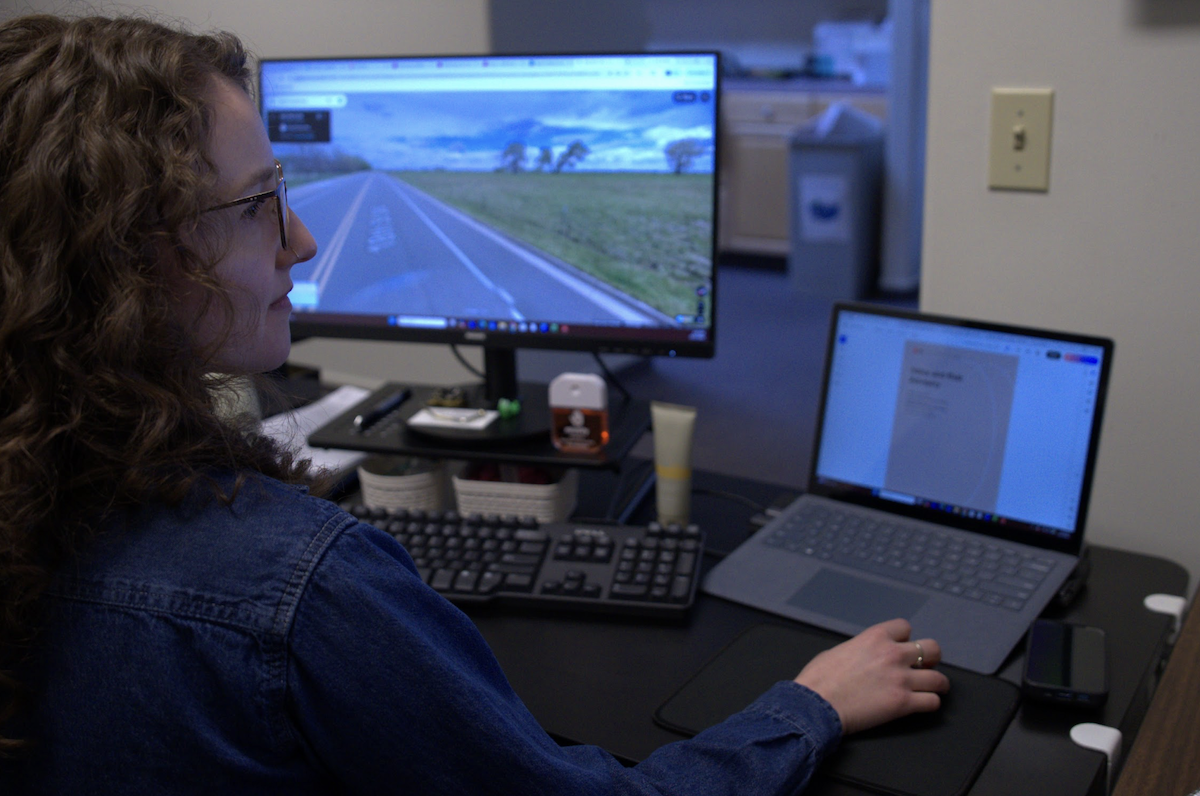
The most expensive problems on a right-of-way project are usually the ones nobody saw coming. An owner who turns out to be three heirs scattered across two states. A decades-old easement that conflicts with the new corridor. A mineral interest severed from the surface in 1962 that gives a third party a say in what happens on the parcel.
None of these show up in a windshield survey of the route. They show up in title research, which is exactly why title and due diligence work belongs at the front of a project rather than the moment before closing. Getting it right early is what keeps a corridor from stalling later.
Quick Summary
- Title research establishes who actually owns each parcel and what claims, liens, and easements already burden it.
- Due diligence catches the problems (heirship gaps, mineral severances, conflicting easements) that derail closings if found late.
- The work ranges from a quick assessor check to a full chain of title going back decades.
- Clear title supports defensible offers, smoother negotiations, and clean recording at the end.
- On federally funded projects, accurate ownership records are part of compliant acquisition.
- Western States Land Services performs title work from assessor research through complete title examination as part of its acquisition services.
What Title Research Means on a Right-of-Way Project
Title research answers two questions that everything else depends on: who owns this property, and what is already attached to it. Before an agent can make an offer, the project needs to know the legal owner, any co-owners, and every interest that could affect the acquisition, including existing easements, liens, rights of way, and severed mineral rights.
On a single-parcel deal that might be straightforward. On a corridor crossing dozens or hundreds of properties, it is a sustained research effort. Each parcel carries its own history, and any one of them can hide an issue that stops the whole acquisition until it is resolved.
Why Due Diligence Comes First, Not Last
There is a strong temptation to treat title as a closing formality, something the title company handles at the end. On right-of-way projects that approach backfires. By the time an offer has been made and accepted, a title problem turns into a renegotiation, a delay, or a deal that collapses entirely.
Front-loading the diligence flips that risk. When the project knows early that a parcel has a heirship tangle or a competing easement, it can plan around the parcel, sequence the difficult ones first, and avoid building a schedule on acquisitions that were never going to close cleanly. The cost of finding a problem in week two is a phone call. The cost of finding it the day before recording is the schedule.
What Title and Due Diligence Work Uncovers
The research is designed to surface the issues that quietly threaten a project.
Ownership and Heirship
The recorded owner is not always the person who can sign. Properties pass through estates, trusts, divorces, and partnerships. Title research identifies who actually holds the authority to convey and flags parcels where that authority is split or unclear.
Existing Easements and Encumbrances
A corridor rarely crosses unburdened land. Prior utility easements, access easements, and rights of way can conflict with the new acquisition or complicate its terms. Identifying them early lets the project structure around what is already there.
Liens and Claims
Mortgages, tax liens, judgments, and other claims attach to property and have to be accounted for before clean title can transfer. Due diligence brings them to light so they can be addressed in the closing.
Mineral and Surface Rights
In Colorado, mineral interests are frequently severed from the surface estate. A severed mineral owner can hold rights that affect surface use, which matters for a corridor that needs the surface. Title research identifies severances so the project understands who truly controls what.
Chain of Title
For complex or higher-risk parcels, a full chain of title traces ownership back through successive transfers, confirming each link is sound. Gaps or defects in the chain are the kind of latent problem that derails a closing if discovered too late.
How the Title Research Process Works
A disciplined process keeps diligence thorough and proportionate to risk.
- Define the parcels. Identify every property the corridor touches and the interest needed from each.
- Start with assessor records. A first pass establishes recorded ownership and basic parcel data across the corridor.
- Scale the depth to the risk. Simple parcels may need only a confirmation; complex ones get a full chain of title.
- Examine title for issues. Review for easements, liens, severances, and ownership gaps that affect the acquisition.
- Flag and prioritize problem parcels. Surface the issues early so the project can sequence and plan around them.
- Document for the file. Build the ownership and title record the project needs for compliant, defensible acquisition.
What Thorough Due Diligence Delivers
Done well, the work pays off across the whole project:
- Defensible offers based on confirmed ownership and accurate property interests
- Fewer surprises that stall negotiations or collapse a closing
- A sequencing plan that tackles difficult parcels before they threaten the schedule
- A clean record that supports recording and stands up if an acquisition is challenged
- Compliance support on federally funded work, where accurate documentation is required
- Clear handoff into valuation and negotiation, with no open ownership questions
Why It Matters on Federally Funded Projects
Federally funded acquisition has to comply with the Uniform Act, and that compliance rests partly on getting ownership and property interests right. An offer made to the wrong party, or an acquisition recorded over an unresolved encumbrance, is the kind of defect that surfaces in a compliance review. Accurate title work is part of building a file that holds up. Western States Land Services has worked within the Uniform Act and CDOT procedures since 1981, and treats title and due diligence as the foundation of a compliant acquisition rather than an afterthought.
Where Title Research Fits in the Bigger Picture
Title and due diligence are the first real work on most right-of-way projects, and everything downstream leans on them. Valuation needs to know what interest is being valued. Negotiation needs to know who has the authority to agree. Closing needs clean title to record. A project that invests in thorough diligence up front spends far less time untangling problems later.
If you are planning a corridor project in Colorado and want the ownership and title questions resolved before they become schedule problems, a conversation with Western States Land Services about scope and parcel complexity is a good place to start.
Frequently Asked Questions
What is title research in a right-of-way project?
Title research determines who legally owns each parcel a project affects and what interests already burden it, including easements, liens, and severed mineral rights. It establishes the ownership facts an agent needs before making an offer or preparing acquisition documents.
Why is due diligence important before acquiring right-of-way?
Due diligence catches ownership gaps, conflicting easements, and other problems early, when they are inexpensive to address. Discovering the same issues near closing turns them into delays, renegotiations, or collapsed deals, so front-loading the work protects the schedule.
What is the difference between assessor research and a full chain of title?
Assessor research is a quick first pass that confirms recorded ownership and basic parcel data. A full chain of title traces ownership back through successive transfers to confirm the title is sound, and is used for complex or higher-risk parcels where a defect could derail closing.
How do severed mineral rights affect a right-of-way project?
In Colorado, mineral interests are often separated from the surface estate. A severed mineral owner may hold rights that affect surface use, which matters for a corridor that needs the surface. Title research identifies severances so the project knows who controls what.
Who performs title research on right-of-way projects?
Right-of-way firms commonly handle title research as part of their acquisition services, ranging from assessor records to complete title examination. Western States Land Services performs this work in-house, keeping ownership, valuation, and negotiation aligned under one firm.

Frequently Asked Questions
Have questions about our sustainability initiatives, eco-friendly practices, or how you can make a positive impact?
Western States Land Services is headquartered in Loveland, Colorado. We primarily serve Colorado, Wyoming, Nebraska, Kansas, New Mexico, Utah, and Texas, with experience working on projects across the broader Mountain West.
Western States Land Services was founded in 1981. The firm has been providing right-of-way acquisition, relocation, and permitting services in Colorado and the Mountain West for more than 45 years. Our team carries more than 150 years of combined industry experience.
Yes. Western States Land Services is prequalified with the Colorado Department of Transportation (CDOT) for right-of-way services. The firm is also experienced in FHWA requirements and fully compliant with the Uniform Relocation Assistance and Real Property Acquisitions Policies Act for federally regulated projects.
We serve public agencies, municipal governments, state departments of transportation, investor-owned utilities, oil and gas companies, pipeline operators, and private infrastructure developers. We have delivered right-of-way services across every sector — from CDOT highway corridors and utility transmission lines to rural pipeline routes and municipal capital improvement projects.
We offer the staffing capacity of a large firm with the direct access and personal accountability of a specialized boutique. Clients work with senior leadership — not a call center. Our agents meet landowners face-to-face. Our regulatory knowledge is deep rather than generalized. We have never needed to ramp up on Colorado or Mountain West rules. We have been working inside them for over 40 years.
Yes. Western States Land Services has experience supporting eminent domain proceedings, including preparing waiver valuations, providing expert witness testimony, and coordinating with legal counsel throughout the condemnation process. Our team has worked alongside attorneys on both agency-initiated and privately sponsored condemnation actions across Colorado.
