

Questions to Ask Before Hiring a Right-of-Way Consultant
Every right-of-way firm claims experience and says it handles negotiations well, but the marketing language tends to blur together until you start asking specific questions. The right questions force a firm to show whether it has actually done the work or just talks about it. Here's what to ask before you hire a ROW consultant, and what a strong answer looks like.
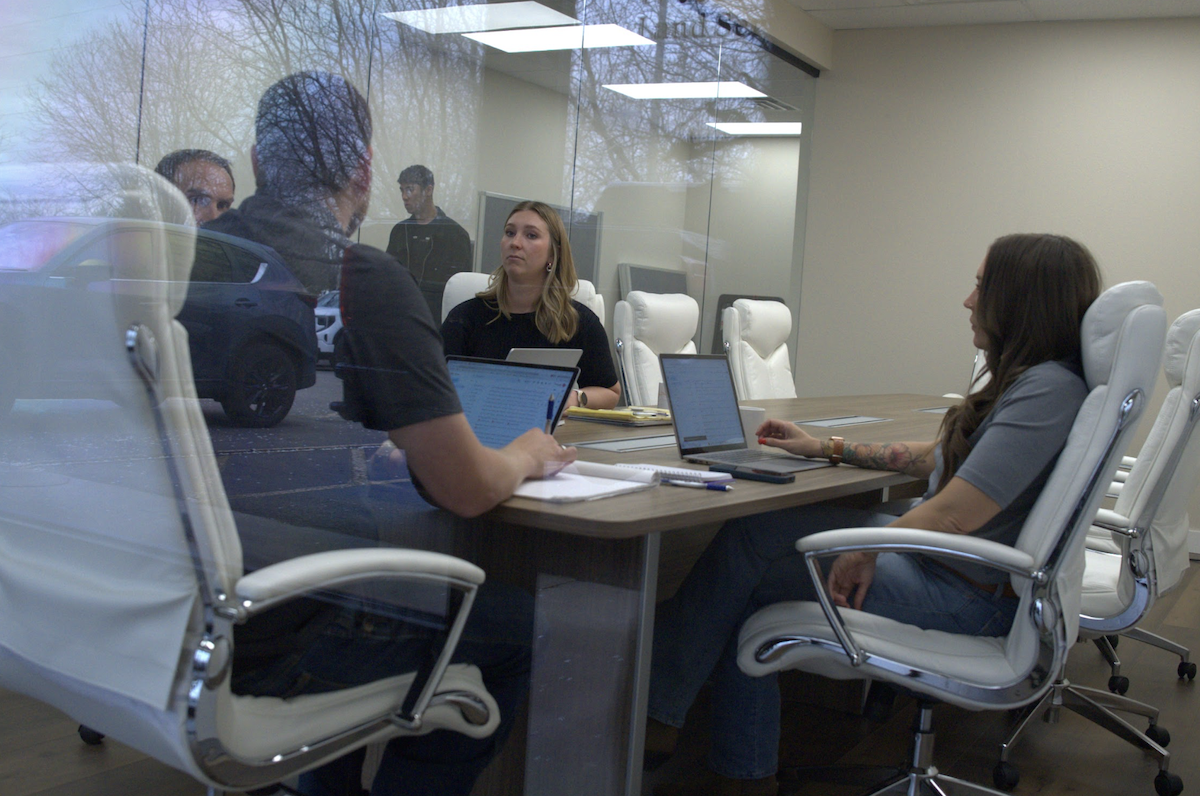
By the time most agencies and utilities start interviewing right-of-way consultants, they already know the project. They know the route, the budget, the deadline. What they often don't have is a reliable way to tell one firm from another, because every proposal claims experience, every firm says it handles negotiations well, and the marketing language tends to blur together.
The difference shows up in the answers to specific questions, and the right ones force a firm to reveal whether it has actually done the work or only talks about it. The questions below are organized by what you are trying to learn, with a note on what a strong answer sounds like.
Quick Summary
- Generic credentials look identical on paper, so the value is in how a firm answers pointed questions.
- Start with prequalification and federal compliance, since those are pass-or-fail for federally funded work.
- Probe real experience: not whether they negotiate, but how they handle the owner who says no.
- Confirm one firm can carry the whole lifecycle rather than handing off pieces.
- Ask about capacity and staffing against your actual parcel count and timeline.
- Always check references and listen for how the firm performed when a deal went sideways.
Why the Questions Matter More Than the Pitch
A polished capabilities statement tells you what a firm wants you to think. A direct question tells you what it actually knows. The gap between those two is where projects get into trouble, because a consultant that sounds capable in a proposal can still mishandle the parcel that decides your schedule.
The goal of an interview is not to confirm a firm is qualified. It is to find the edges of its experience, the places where a less-seasoned firm gives a vague answer and a seasoned one gives a specific one. Specifics are the signal worth listening for.
Questions About Credentials and Compliance
These come first because they can disqualify a firm outright.
Are you currently prequalified by CDOT in acquisition and relocation? For federally funded work this is non-negotiable. A strong answer is a simple yes with confirmation they hold both categories. Anything hedged is a problem.
How well do you know the Uniform Act and FHWA procedures? Listen for whether they describe applying these rules on real projects rather than reciting that they are "familiar" with them. A firm like Western States Land Services, which has worked within the Uniform Act across more than 40 years in business, can point to how those requirements played out in practice.
Have your agents handled federally funded acquisitions specifically? Federal compliance is a discipline of its own. A firm that has only done private utility work may stumble on documentation a federally funded project demands.
Questions About Experience and Track Record
Anyone can claim experience. These questions test it.
Tell me about a negotiation that nearly fell apart and how you saved it. This is the most revealing question you can ask. A firm with real depth has a story ready. A firm without one gets vague. The answer also tells you how they think about difficult owners.
Have you worked on projects like mine? A transmission line, a pipeline, and a road widening each carry different acquisition challenges. You want sector-relevant experience, not just years on paper.
Have your agents provided expert witness testimony in condemnation proceedings? Most acquisitions settle, but the ones that don't end up in front of a judge. A firm whose agents have testified brings credibility that strengthens your position long before a case is filed.
Questions About Scope and Capacity
Here you are checking whether the firm can actually carry your project.
Can you handle the entire process, or do you subcontract parts of it? A single firm covering title, valuation, negotiation, relocation, and permitting keeps accountability in one place. Handoffs create gaps. Western States handles the full lifecycle in-house, from assessor research through recording the final document.
How many agents could you assign to my project? Match the answer against your parcel count and deadline. A firm large enough to staff the work but small enough to give it attention is often the sweet spot.
Who is my point of contact, and how often will I hear from them? You want a named person and a clear reporting rhythm, not a black box that goes quiet between milestones.
Questions About Process and Landowner Approach
How a firm treats owners directly affects your timeline and your reputation in the community.
Walk me through your process from scope to closing. A confident, specific answer signals a firm that runs projects with discipline. Vagueness here predicts vagueness later.
How do you approach landowners who are hostile or distrustful? The answer reveals the firm's temperament. Owners who feel respected negotiate. Owners who feel pushed lawyer up. Western States built its reputation on direct relationships with landowners, which is often what keeps a corridor out of court.
How do you keep us informed about compliance and progress? You need to know where every parcel stands without chasing the firm for updates.
A Quick Checklist You Can Take Into the Interview
- Current CDOT prequalification in acquisition and relocation
- Hands-on Uniform Act and FHWA experience, described in specifics
- A ready story about a hard negotiation they pulled back from the brink
- Sector experience that matches your project type
- Expert witness testimony in condemnation cases
- Full-lifecycle capability under one roof
- Adequate staffing for your parcel count and timeline
- A named contact and a clear reporting rhythm
- References who will speak to how the firm handled the difficult parcels
How to Weigh the Answers
No firm will be perfect on every question, and the goal is not to find one. It is to understand where each firm is strong and where it is thin, then match that against what your project most needs. A road widening across a few dozen residential lots leans heavily on relocation and communication. A rural transmission corridor leans on title and easement experience. Weight the questions toward your project's hardest part.
If you are getting ready to interview right-of-way consultants for a project in Colorado, a conversation with Western States Land Services is a straightforward way to hear how these questions get answered by a firm that has been doing the work since 1981.
Frequently Asked Questions
What is the most important question to ask a right-of-way consultant?
For federally funded work, whether the firm is CDOT prequalified in acquisition and relocation is the first gate. Beyond that, asking the firm to describe a difficult negotiation it salvaged tends to reveal the most about its real experience.
How do I know if a right-of-way consultant has enough experience?
Listen for specifics rather than claims. A seasoned firm answers detailed questions with concrete examples, names the sectors it has worked in, and can point to expert witness testimony and decades of work, as Western States can with more than 40 years in business.
Should a right-of-way consultant be CDOT prequalified?
For any federally funded transportation or infrastructure project in Colorado, yes. CDOT prequalification in acquisition and relocation confirms the firm is approved for federally funded work, and hiring an unqualified firm can put project funding at risk.
What should a right-of-way consultant's process look like?
A clear sequence from scope and cost estimate through title research, valuation, negotiation, documentation, and closing, with steady client communication throughout. A firm that can walk you through that process confidently is more likely to run your project the same way.
How many questions should I ask before hiring a right-of-way firm?
Enough to cover four areas: credentials and compliance, real experience, scope and capacity, and landowner approach. Asking each firm the same set of questions across those areas makes it possible to compare them fairly.


Frequently Asked Questions
Have questions about our sustainability initiatives, eco-friendly practices, or how you can make a positive impact?
Western States Land Services is headquartered in Loveland, Colorado. We primarily serve Colorado, Wyoming, Nebraska, Kansas, New Mexico, Utah, and Texas, with experience working on projects across the broader Mountain West.
Western States Land Services was founded in 1981. The firm has been providing right-of-way acquisition, relocation, and permitting services in Colorado and the Mountain West for more than 45 years. Our team carries more than 150 years of combined industry experience.
Yes. Western States Land Services is prequalified with the Colorado Department of Transportation (CDOT) for right-of-way services. The firm is also experienced in FHWA requirements and fully compliant with the Uniform Relocation Assistance and Real Property Acquisitions Policies Act for federally regulated projects.
We serve public agencies, municipal governments, state departments of transportation, investor-owned utilities, oil and gas companies, pipeline operators, and private infrastructure developers. We have delivered right-of-way services across every sector — from CDOT highway corridors and utility transmission lines to rural pipeline routes and municipal capital improvement projects.
We offer the staffing capacity of a large firm with the direct access and personal accountability of a specialized boutique. Clients work with senior leadership — not a call center. Our agents meet landowners face-to-face. Our regulatory knowledge is deep rather than generalized. We have never needed to ramp up on Colorado or Mountain West rules. We have been working inside them for over 40 years.
Yes. Western States Land Services has experience supporting eminent domain proceedings, including preparing waiver valuations, providing expert witness testimony, and coordinating with legal counsel throughout the condemnation process. Our team has worked alongside attorneys on both agency-initiated and privately sponsored condemnation actions across Colorado.
