

Transportation ROW Acquisition: Highway and Road Expansion Projects in Colorado
Highway and road expansion projects in Colorado demand more than good engineering — securing the right property rights, from partial acquisitions to full relocations, is what keeps construction on schedule and communities on side. This guide walks through every phase of transportation ROW acquisition, from preliminary design and federal compliance to negotiations, relocation assistance, and ROW clearance. For project managers and transportation agencies, partnering with experienced ROW professionals is the difference between a project that moves and one that stalls.
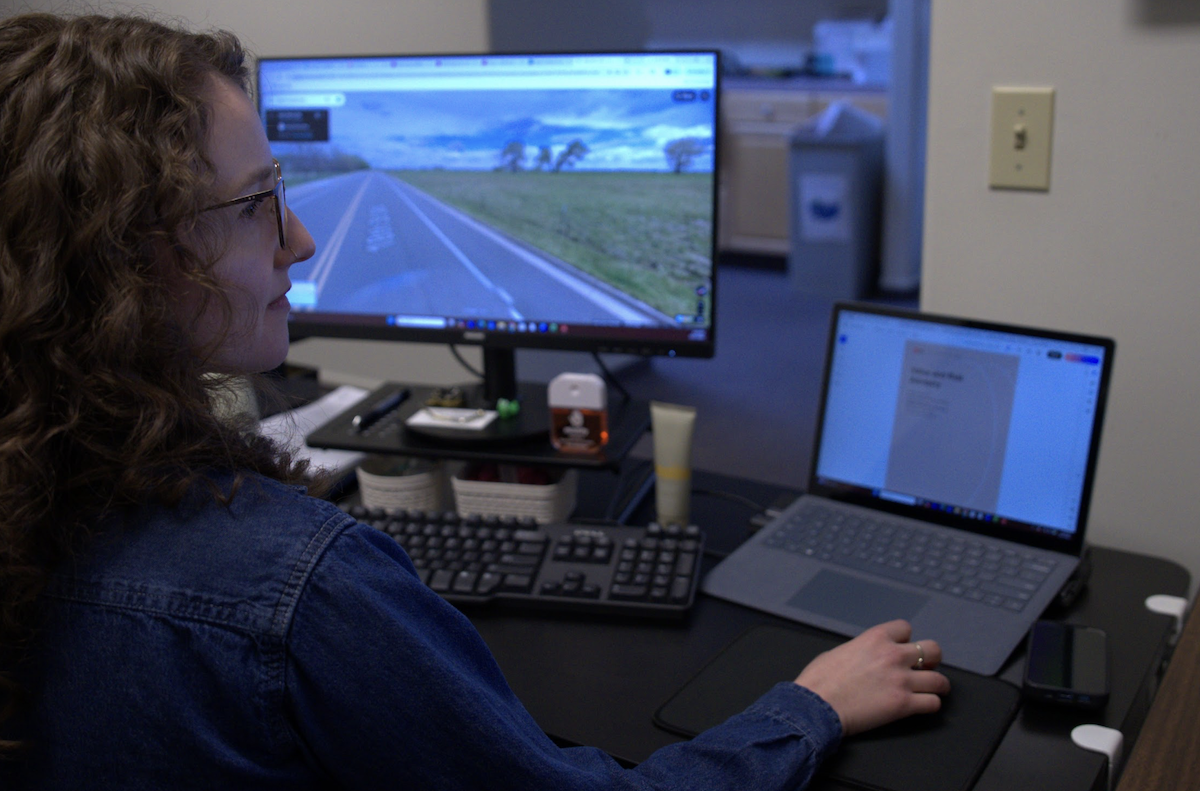
Colorado's transportation infrastructure faces mounting pressure from population growth, economic development, and evolving mobility needs.
Highway and road expansion projects require systematic right of way acquisition to secure the land rights necessary for wider roadways, improved interchanges, enhanced safety features, and expanded capacity. Understanding the transportation ROW acquisition process helps project managers, engineers, and transportation agencies deliver critical improvements that keep Colorado moving.
Colorado's Transportation Infrastructure Landscape
The Colorado Department of Transportation manages over 9,100 miles of state highways serving communities across the state. Counties maintain approximately 60,000 miles of roads in unincorporated areas, while municipalities oversee thousands of additional miles within city limits. This extensive network requires continuous maintenance, periodic reconstruction, and strategic expansion to meet growing demands.
Population growth concentrated along the Front Range urban corridor from Fort Collins through Colorado Springs strains existing highways and arterial roads. Interstate 25, Interstate 70, and US 36 carry traffic volumes far exceeding their original design capacities. Peak period congestion, safety concerns, and freight mobility needs drive expansion projects requiring substantial right of way acquisition.
Rural Colorado faces different challenges including aging infrastructure, limited funding, wildlife-vehicle conflicts, and safety improvements on two-lane highways. These projects may involve smaller scale acquisitions but still require professional ROW services to ensure compliance and fair treatment of property owners.
Types of Transportation ROW Acquisitions
Highway Widening Projects
Highway widening adds travel lanes, auxiliary lanes, or shoulders to existing roadways. These projects typically require acquiring property along both sides of existing highways, often in developed areas where commercial buildings, residences, and utilities occupy land adjacent to roadways.
Widening projects involve partial acquisitions from numerous properties rather than complete takings. Property owners retain their land but lose portions to expanded roadways. Compensation includes payment for land taken plus damages if the partial taking reduces remaining property value or creates access or operational problems.
Interchange Reconstruction
Interchange projects replace outdated configurations with modern designs improving traffic flow and safety. Diverging diamond interchanges, single-point urban interchanges, and grade-separated intersections require more land than older cloverleaf designs.
Interchange acquisitions often involve taking entire parcels near ramp terminals and partial acquisitions from properties along new or realigned ramps. Complex geometry creates irregular remnants requiring careful valuation of damages to remaining properties.
Safety Improvements
Safety projects including shoulders, turn lanes, median barriers, and intersection improvements may require limited ROW acquisition. Even narrow strips of additional right of way along long project corridors can involve dozens of property owners and substantial acquisition effort.
New Highway Corridors
New highway construction through undeveloped areas requires acquiring continuous right of way corridors. These projects involve fee simple acquisition of entire parcels or wide easement corridors allowing no development within the highway footprint.
Environmental review, public involvement, and alternative analysis for new corridors take years before ROW acquisition begins. However, once approved, corridor projects provide opportunities for efficient acquisition before development occurs.
Access Control
Acquiring access rights without physical property taking allows transportation agencies to close or consolidate driveways, median openings, and side street connections. Access control improves safety and mobility by reducing conflict points where vehicles enter or cross highways.
Access rights have economic value because they affect property access and visibility. Businesses particularly value highway access, making these acquisitions sensitive despite not taking physical property.
Federal and State Regulatory Framework
Federal Highway Administration Requirements
FHWA provides substantial funding for Colorado transportation projects through the Federal-Aid Highway Program. Projects receiving federal funding must comply with federal regulations including Title 23 Code of Federal Regulations parts governing right of way and relocation.
Federal regulations require compliance with the Uniform Relocation Assistance and Real Property Acquisition Policies Act, environmental review under the National Environmental Policy Act, civil rights protections, Davis-Bacon wage requirements for construction, and Buy America provisions for materials.
FHWA approval is required at key project milestones including environmental clearance, ROW clearance, and authorization to advertise for construction. Projects cannot proceed to subsequent phases until required approvals are obtained.
Uniform Act Compliance
The Uniform Act establishes minimum standards for acquiring property and relocating displaced persons on federally funded transportation projects. Key requirements include obtaining approved appraisals before making offers, providing written offers of just compensation, paying before requiring possession, and providing relocation assistance to displaced persons.
Property owners must have opportunities to obtain independent appraisals at agency expense for acquisitions valued at $5,000 or more. Advance payments equal to estimated just compensation must be deposited with courts before obtaining immediate possession in condemnation proceedings.
Displaced residents receive assistance finding replacement housing, moving expense reimbursements, and replacement housing payments if necessary. Displaced businesses receive moving expenses, reestablishment costs, and in some cases payments for lost goodwill or fixtures that cannot be moved.
CDOT Right of Way Manual
CDOT's comprehensive ROW Manual provides detailed policies and procedures for acquiring property for state highway projects. The manual implements federal requirements while addressing Colorado-specific laws and practices.
Local public agencies using state or federal highway funds must follow CDOT ROW Manual procedures. CDOT regional staff review local agency acquisitions for compliance before authorizing reimbursement of ROW costs.
Western States Land Services maintains thorough knowledge of CDOT ROW Manual requirements through decades of work on CDOT and local agency projects. Our familiarity with CDOT procedures and regional staff relationships helps clients navigate the approval process efficiently.
Colorado Condemnation Law
When negotiations fail, Colorado eminent domain statutes authorize condemnation for transportation projects. Colorado Revised Statutes Title 38 and Title 43 establish procedures for highway condemnations including notice requirements, good faith negotiation obligations, court filings, and just compensation determination.
Colorado courts have extensive case law interpreting property rights, valuation methods, and procedural requirements for transportation acquisitions. Experienced attorneys and appraisers understand these precedents and structure acquisitions to minimize legal risks.
Local Government Coordination
Transportation projects crossing multiple jurisdictions require coordination with cities, counties, and special districts. Right of way agreements, utility relocations, local road connections, and traffic management during construction all need local government cooperation.
Early coordination with local officials prevents surprises and facilitates necessary approvals. Local governments may have requirements for bike lanes, sidewalks, landscaping, or other features affecting ROW needs and project costs.
The Transportation ROW Acquisition Process
Phase 1: Preliminary Engineering and Environmental Review
ROW involvement begins during preliminary engineering when design alternatives are developed and analyzed. ROW staff estimate property impacts and acquisition costs for alternatives, helping inform design decisions.
Environmental review under NEPA requires analysis of property impacts including numbers of parcels, residential and business displacements, impacts to special land uses like parks or historic properties, and measures to minimize acquisitions.
Public involvement during environmental review provides opportunities for property owners and communities to comment on proposed alignments, learn about projects, and influence decisions before designs are finalized.
Phase 2: Final Design and ROW Plan Preparation
After environmental clearance, final design establishes exact roadway geometry, structure locations, drainage facilities, and support infrastructure. Surveyors prepare detailed ROW plans showing existing property boundaries, proposed acquisitions, and remaining property.
ROW plans must meet CDOT and county recording standards including proper legal descriptions, tie points to survey control, and adequate detail for appraisers and title examiners. Plan accuracy is critical because errors create title problems and potential disputes over boundaries.
Phase 3: Property Research and Title Examination
Title examiners research county records to identify property owners, existing easements, mortgages, liens, and other encumbrances. Transportation projects often encounter complex title situations including railroad rights, historic highway dedications, irrigation ditch easements, and mineral rights reservations.
Thorough title work identifies all parties with interests requiring acquisition or consent. Missing an interest holder can delay projects when undisclosed parties surface after construction begins.
Phase 4: Appraisal and Establishment of Just Compensation
Licensed appraisers prepare detailed reports establishing fair market value for each parcel. Transportation acquisitions present unique appraisal challenges including valuing partial takings, measuring damages to complex commercial properties, and analyzing access changes.
Review appraisers examine appraisal reports for compliance with Uniform Standards of Professional Appraisal Practice and federal requirements. After review, agencies establish just compensation amounts that become the basis for offers to property owners.
Phase 5: Property Owner Contact and Negotiation
Right of way agents contact property owners with written offers explaining the project, describing property needs, and presenting valuations. Initial contacts include detailed project information, copies of appraisal reports, explanations of property owner rights, and contact information for questions.
Negotiations on transportation projects often focus on access issues, construction impacts, business disruptions, and timing considerations in addition to compensation. Experienced agents understand these concerns and work to find solutions within project constraints.
Most transportation acquisitions are completed through negotiated agreements. The Federal Highway Administration and CDOT expect high percentages of negotiated settlements, viewing excessive condemnation as indicators of inadequate negotiation efforts.
Phase 6: Relocation Assistance
When highway projects require displacing residents or businesses, relocation specialists provide advisory services, identify replacement properties, coordinate moves, and calculate relocation payments.
Residential relocations involve finding comparable replacement housing, arranging financing assistance if needed, calculating moving expenses and replacement housing payments, and ensuring displaced persons have decent, safe, and sanitary housing before requiring them to move.
Business relocations are more complex, involving evaluation of moving costs, equipment disconnection and reconnection, reestablishment expenses, and potential loss of business goodwill. Businesses may receive replacement housing payments for owner-occupied businesses or reestablishment payments for moving expenses exceeding actual moving costs.
Phase 7: Acquisition Closing
After agreements are reached, closing involves executing deeds or easements, delivering payments, obtaining releases from lienholders, and recording documents. Transportation agencies typically use title companies or closing attorneys to handle these transactions.
Payment must occur before agencies take possession of property. For projects requiring immediate access, advance payments are made even if final amounts remain under negotiation or in condemnation proceedings.
Phase 8: Condemnation When Necessary
When negotiations fail after good faith efforts, transportation agencies file condemnation petitions in district court. Colorado procedure allows agencies to obtain immediate possession after depositing estimated compensation with courts, enabling projects to proceed while valuation disputes are resolved.
Just compensation is ultimately determined by juries, commissions, or judges depending on election by parties. These proceedings can take months to complete, but possession allows construction to advance without waiting for final resolution.
Phase 9: ROW Clearance and Certification
Before construction can begin, ROW must be cleared of all improvements, utilities, and encumbrances. Property owners must vacate acquired areas, buildings are demolished if required, and utilities are relocated outside the project limits.
CDOT or FHWA must certify that ROW is clear and available for construction before issuing authorization to advertise construction contracts. This certification confirms all necessary property rights have been acquired and the project can proceed without property-related delays.
Unique Challenges in Transportation ROW
Partial Acquisitions and Severance Damages
Most highway acquisitions are partial takings leaving property owners with reduced parcels. Appraisers must evaluate how partial takings affect remaining property value, considering loss of parking, reduced visibility, inferior access, irregular shapes, and loss of development potential.
Severance damages can exceed the value of land actually taken, particularly for commercial properties where small takings create major operational problems. Careful appraisal of severance damages ensures property owners receive full just compensation.
Business Impacts and Economic Disruption
Highway construction affects businesses through temporary access restrictions, reduced visibility behind construction barriers, customer confusion about how to reach locations, and general economic disruption in project corridors.
While agencies compensate for property taken and relocation of displaced businesses, they generally do not compensate ongoing businesses for temporary construction impacts or economic losses not related to property taking. However, minimizing disruption through construction phasing and maintaining access benefits everyone.
Access Management and Property Values
Acquiring access rights without taking land affects property values because access influences business viability and development potential. Corner properties with access from two streets may lose significant value if one access is closed.
Appraisers analyze comparable properties with similar access limitations to determine damages from access changes. Some property owners strongly oppose access restrictions even when offered compensation, creating difficult negotiations.
Utility Relocation Coordination
Highway projects require relocating utilities including water, sewer, gas, electric, telecommunications, and cable within project limits. These relocations must be completed before highway construction begins, requiring coordination among utility owners, transportation agencies, and ROW consultants.
Utility relocation costs can be substantial, particularly in urban areas with extensive underground infrastructure. Determining financial responsibility for relocations depends on existing agreements, franchise terms, and whether utilities occupy their own easements or public right of way.
Environmental and Cultural Resource Constraints
Highway projects crossing wetlands, streams, endangered species habitat, or archaeological sites face construction constraints affecting ROW needs. Mitigation measures may require additional property acquisition for wetland creation, conservation easements, or preservation areas.
Section 4(f) of the Department of Transportation Act restricts use of parks, recreational facilities, wildlife refuges, and historic sites for transportation projects. When no feasible alternatives exist, elaborate mitigation measures and additional property acquisitions may be required.
Property Owner Opposition and Public Controversy
Highway projects generate public debate about need, alignment, environmental impacts, community disruption, and property rights. Opposition from affected property owners and advocacy groups can create political pressure affecting project decisions and timelines.
Robust public involvement, transparent communication, demonstrated need, and fair treatment of property owners help build support. However, some opposition is inevitable when projects require acquiring property from people who prefer the status quo.
Appraisal and Valuation Considerations
Highest and Best Use Analysis
Transportation projects often change property characteristics affecting highest and best use. Land accessed only by roads being closed may lose development value. Properties gaining frontage on expanded highways may increase in value. Properties losing road frontage but gaining visibility on limited access highways face complex valuation questions.
Appraisers must analyze highest and best use both before and after acquisitions, considering how changes affect property values. These analyses become evidence in condemnation proceedings if cases go to trial.
Before and After Valuation Method
The before and after method values property immediately before the taking and immediately after, with the difference representing compensation owed. This method captures both the value of land taken and damages to remaining property in a single calculation.
Colorado courts recognize before and after as the preferred method for partial acquisitions. Appraisers must carefully analyze all factors affecting value in each time period, considering physical, legal, and economic characteristics.
Comparable Sales Analysis
Comparable sales provide market evidence of property values. Finding comparable partial takings is challenging because each acquisition has unique characteristics. Appraisers often rely on fee simple sales adjusted for differences in property characteristics and rights conveyed.
Recent sales in the project corridor provide evidence of market conditions at the time of acquisition. However, project announcements may affect property values, requiring appraisers to analyze whether sales reflect typical market conditions or are influenced by the project.
Access Valuation
Changes in property access significantly affect value. Appraisers analyze comparable properties with similar access configurations to determine market adjustments for access changes.
Loss of direct highway access may be partially offset by access via frontage roads or side streets. However, businesses often perceive access changes negatively even when alternative access exists, creating negotiation challenges beyond pure valuation issues.
Special Purpose Properties
Transportation projects occasionally affect special purpose properties including gas stations, hotels, restaurants, car dealerships, or other businesses whose values are closely tied to locations and customer traffic. These properties require specialized appraisal approaches considering business operations in addition to real estate value.
Income approaches may be appropriate for income-producing properties, particularly when rental income provides evidence of economic value. Cost approaches may be necessary for special purpose improvements lacking comparable sales.
Working with Different Property Types
Residential Properties
Residential acquisitions range from narrow strips for sidewalks to entire homes in interchange reconstruction areas. Homeowners often have emotional attachments to properties making negotiations sensitive even for minor acquisitions.
Clear explanations of project needs, fair compensation, and respectful treatment help residential property owners accept necessary acquisitions. Relocation assistance for displaced homeowners ensures they can move to comparable replacement housing without financial hardship.
Commercial and Industrial Properties
Businesses have concerns beyond property value including operational disruption, customer access during construction, signage visibility, parking impacts, and potential business losses.
While agencies compensate for property taken and relocate displaced businesses, they cannot prevent all business impacts from highway projects. Early notification, construction phasing to maintain access, and fair compensation for property impacts help minimize problems.
Agricultural Land
Rural highway projects cross farms and ranches where land has been in families for generations. Agricultural property owners understand property rights and often negotiate successfully based on market evidence.
Key concerns include maintaining irrigation systems, providing adequate access to severed parcels, minimizing disruption to farming operations, and properly restoring topsoil after construction. Addressing these operational issues facilitates agreement on fair compensation.
Vacant and Undeveloped Land
Undeveloped land acquisitions are often simpler than improved property acquisitions because fewer improvements are affected and valuations are more straightforward. However, property owners may have development plans that acquisitions disrupt.
Compensating for lost development potential requires evidence that development was reasonably probable, not merely possible. Speculative development scenarios unsupported by market evidence do not establish compensable damages.
Government-Owned Property
Transportation projects crossing property owned by other government entities require intergovernmental agreements or formal acquisitions. Federal lands, state lands, county property, municipal property, and school district property all involve different procedures and considerations.
Some government-to-government transfers occur without monetary payment through jurisdiction swaps or dedication agreements. Others require market-based compensation similar to private property acquisitions.
Technology in Transportation ROW
Computer-Aided Design Integration
Modern design software creates three-dimensional models of proposed highways integrated with existing terrain and property boundaries. ROW staff access design models to precisely determine property impacts and prepare acquisition exhibits.
Integration between design and ROW systems reduces errors, speeds plan preparation, and allows rapid evaluation of design alternatives for property impact minimization.
Geographic Information Systems
GIS platforms overlay property boundaries, design plans, environmental constraints, and utility locations creating comprehensive project visualizations. Project managers use GIS to communicate with stakeholders, identify conflicts, and track acquisition progress.
Mobile GIS applications allow field staff to access project information during property visits, collect photographs and notes, and update databases in real time.
Aerial Imagery and LiDAR
High-resolution aerial photography and LiDAR elevation data support design, environmental analysis, and property research. Modern imagery helps appraisers and agents understand property characteristics before site visits.
Change detection comparing historical and current imagery reveals property changes, encroachments, and potential title issues requiring investigation.
Project Management Software
Specialized ROW management systems track parcels through various acquisition stages including title, appraisal, negotiation, agreement, closing, and clearance. Automated reporting keeps project managers informed of progress and identifies parcels requiring attention.
Financial modules track expenditures against budgets, generate payment requests, and produce reports for FHWA reimbursement and audit purposes.
Cost Management and Budgeting
Preliminary Cost Estimates
Early project cost estimates use unit costs per square foot or acre based on comparable projects and local property values. These preliminary estimates support programming decisions and funding applications.
As design progresses, estimates incorporate specific parcel information, current appraisals, and identified complications. Refined estimates improve accuracy but still include contingencies for uncertainties.
ROW Cost Components
Transportation ROW budgets include property acquisition payments, professional services for appraisals and title work, relocation assistance, consultant fees for agents and project management, legal costs, demolition expenses, and contingencies for condemnation and unexpected issues.
Relocation costs can be substantial, particularly for business displacements in urban areas. Adequate relocation budgets prevent shortfalls that delay projects.
Federal Participation and Reimbursement
FHWA reimburses eligible ROW costs on federally funded projects according to the federal participation percentage, typically 80 percent on interstate projects and varying percentages on other routes. Administrative costs, betterments, and certain other items may be ineligible for federal participation.
Documentation requirements for federal reimbursement are extensive. Proper records of all expenditures, approvals, and compliance with federal requirements are essential for successful reimbursement.
Value Engineering and Cost Reduction
Design modifications reducing property impacts save ROW costs. Narrower shoulders, retaining walls, steeper slopes, and realigned curves may reduce acquisition needs if engineering and safety standards allow.
Value engineering studies during design development evaluate cost tradeoffs between design features and ROW impacts. Sometimes spending more on construction features like walls saves more in ROW costs, creating net project savings.
Best Practices for Transportation ROW Success
Begin Early
Starting ROW acquisition early relative to construction provides time to negotiate, resolve title issues, complete relocations, and obtain condemnation judgments if necessary. ROW is consistently identified as a critical path item affecting project delivery.
Advance acquisition of complex parcels while design progresses on other portions reduces schedule risks. Properties with known title problems, multiple owners, or difficult negotiations should be prioritized.
Maintain Realistic Schedules
Compressed schedules force rushed negotiations, inadequate property owner consideration time, and premature condemnations. These shortcuts increase costs, create legal risks, and damage community relationships.
Experienced ROW professionals help develop realistic schedules based on project scope, parcel complexity, and required processes. Building buffer time for unexpected issues prevents acquisition delays from affecting construction.
Communicate Proactively
Keeping property owners, local officials, and the public informed prevents surprises and builds trust. Project updates, construction schedules, and acquisition status information should be readily available.
Responsive communication addressing questions and concerns promptly demonstrates respect for people affected by projects. Even when agencies cannot provide answers people want to hear, honest communication maintains credibility.
Treat Everyone Fairly
Fair and consistent treatment of all property owners is both legally required and practically beneficial. Perceived favoritism toward certain property owners creates problems with others who feel disadvantaged.
Every property owner deserves respect, clear information, fair compensation, and professional service regardless of parcel size, property value, or negotiation difficulty.
Document Thoroughly
Comprehensive documentation supports federal reimbursement, satisfies audits, provides evidence for condemnation, and creates institutional knowledge. All property owner contacts, offers, negotiations, and agreements should be documented.
Good records also protect agencies from claims of improper procedures or unfair treatment by providing objective evidence of actions taken and decisions made.
Frequently Asked Questions
How is right of way acquisition different for state highway projects versus local road projects?
State highway projects follow CDOT procedures and receive FHWA oversight if federally funded. Local road projects follow local agency procedures but must comply with CDOT requirements if using state or federal highway funds. The fundamental legal requirements for just compensation and fair treatment apply to all projects, but procedural details, approval processes, and oversight levels differ. CDOT prequalified consultants are required for local agency projects using state or federal highway funding.
What happens if highway construction damages my property during the project?
Construction damage to property not acquired for the project should be repaired by contractors under their construction contracts. Property owners should document damages with photographs and written descriptions, notify project managers immediately, and request repairs. Unresolved damage claims may require legal action against contractors or agencies. Damages to property within acquired areas are addressed through acquisition compensation and are not separately paid as construction damages.
How long do I have to move if the highway project displaces my home or business?
Federal regulations require at least 90 days written notice before requiring displaced persons to move. This notice period begins after comparable replacement housing is available for displaced residents or after final payment is made for displaced businesses. Agencies work with displaced persons to coordinate moves minimizing disruption and ensuring adequate time for orderly relocations. Extensions may be granted if circumstances require additional time.
Can I challenge the amount offered for my property?
Yes, property owners have rights to obtain independent appraisals at agency expense for acquisitions valued at $5,000 or more, negotiate for higher amounts based on market evidence, and if necessary, have just compensation determined by juries or commissions in condemnation proceedings. Property owners should review appraisal reports carefully, consult with professional advisors, and present evidence supporting different values during negotiations. Most disagreements are resolved through negotiation without condemnation.
What if the highway project affects my property but does not actually take any land?
Colorado's constitution requires compensation when public projects damage property even without physical takings. If highway construction damages property through changed access, increased noise, reduced privacy, or other impacts without taking land, property owners may have claims for compensation. However, not all project impacts are compensable, and specific legal analysis is required to determine whether damages are compensable under applicable law. Consulting with attorneys experienced in condemnation law helps property owners understand their rights.
Moving Forward with Transportation Infrastructure
Colorado's transportation infrastructure needs will continue growing as population increases and mobility demands evolve. Highway and road expansion projects require professional right of way services ensuring legal compliance, fair treatment of property owners, and efficient project delivery.
Transportation agencies, consulting engineers, and elected officials rely on experienced ROW professionals to navigate complex acquisitions involving federal regulations, state laws, difficult negotiations, and community concerns. The quality of ROW services directly affects project costs, schedules, and public acceptance.
has provided transportation right of way acquisition and relocation services throughout Colorado for more than 40 years. Our experience includes CDOT state highway projects, local agency street improvements, regional transportation authority corridors, and complex urban and rural acquisitions.
We understand the unique challenges of transportation ROW including partial acquisitions with complex damages, business relocations requiring extensive assistance, access issues affecting property values, and tight schedules driven by construction deadlines. Our CDOT prequalification, federal compliance expertise, and relationships with Colorado communities position us to deliver professional services that keep transportation projects moving forward.
For transportation agencies and consultants planning highway and road expansion projects in Colorado, partnering with experienced ROW professionals provides the specialized knowledge needed to acquire property rights efficiently while maintaining the high standards the traveling public expects from their transportation investments.


Frequently Asked Questions
Have questions about our sustainability initiatives, eco-friendly practices, or how you can make a positive impact?
Western States Land Services is headquartered in Loveland, Colorado. We primarily serve Colorado, Wyoming, Nebraska, Kansas, New Mexico, Utah, and Texas, with experience working on projects across the broader Mountain West.
Western States Land Services was founded in 1981. The firm has been providing right-of-way acquisition, relocation, and permitting services in Colorado and the Mountain West for more than 45 years. Our team carries more than 150 years of combined industry experience.
Yes. Western States Land Services is prequalified with the Colorado Department of Transportation (CDOT) for right-of-way services. The firm is also experienced in FHWA requirements and fully compliant with the Uniform Relocation Assistance and Real Property Acquisitions Policies Act for federally regulated projects.
We serve public agencies, municipal governments, state departments of transportation, investor-owned utilities, oil and gas companies, pipeline operators, and private infrastructure developers. We have delivered right-of-way services across every sector — from CDOT highway corridors and utility transmission lines to rural pipeline routes and municipal capital improvement projects.
We offer the staffing capacity of a large firm with the direct access and personal accountability of a specialized boutique. Clients work with senior leadership — not a call center. Our agents meet landowners face-to-face. Our regulatory knowledge is deep rather than generalized. We have never needed to ramp up on Colorado or Mountain West rules. We have been working inside them for over 40 years.
Yes. Western States Land Services has experience supporting eminent domain proceedings, including preparing waiver valuations, providing expert witness testimony, and coordinating with legal counsel throughout the condemnation process. Our team has worked alongside attorneys on both agency-initiated and privately sponsored condemnation actions across Colorado.
